You Won’t Believe What I Found in Goa’s Hidden Protected Zones
Goa isn’t just beaches and parties—there’s a wilder side most travelers miss. During my recent check-in to its quieter corners, I discovered protected areas teeming with life, from silent mangrove trails to misty wildlife sanctuaries. These spots aren’t just beautiful—they’re vital. What makes them so special? And why should you care? Let me take you through an experience that changed how I see this sun-soaked state. It’s not just about escaping the crowds; it’s about reconnecting with nature in a place many assume has been overrun by tourism. What I found was not only unexpected but deeply moving—a reminder that even in well-trodden destinations, true wilderness still survives when we choose to protect it.
Beyond the Beaches: The Other Goa
When most people think of Goa, images of golden sands, beach shacks, and full-moon parties come to mind. For decades, the state has been celebrated as India’s coastal playground, drawing millions seeking sun, sea, and celebration. Yet beneath this familiar surface lies a quieter, greener, and far more complex reality. Beyond the shoreline, Goa is home to a network of protected natural zones—forests, wetlands, and mountain corridors—that form part of the ecologically rich Western Ghats, a UNESCO World Heritage Site. These areas are not just scenic escapes; they are lifelines for biodiversity, water security, and climate resilience.
The shift from beach-centric tourism to eco-conscious exploration is not just desirable—it’s necessary. Overdevelopment along the coast has placed immense pressure on Goa’s fragile ecosystems. By turning attention inland, travelers can support conservation while enjoying experiences that are more meaningful and immersive. Protected areas like wildlife sanctuaries and conservation reserves offer a chance to witness the state’s true ecological wealth: rare birds, endemic frogs, ancient trees, and even big cats moving silently through the undergrowth. This deeper form of travel fosters respect, awareness, and a renewed sense of responsibility.
What makes this transformation possible is growing recognition that tourism doesn’t have to come at nature’s expense. In fact, when done right, it can help protect these spaces. Community-led ecotourism, guided nature walks, and low-impact accommodations are becoming more common, offering visitors authentic experiences while generating income for local conservation efforts. The message is clear: Goa’s future as a travel destination depends not only on its beaches but on the health of its forests, rivers, and wildlife. Choosing to explore these hidden zones is not just a personal adventure—it’s a step toward sustainable travel.
Mhadei Wildlife Sanctuary: Where the Jungle Still Roars
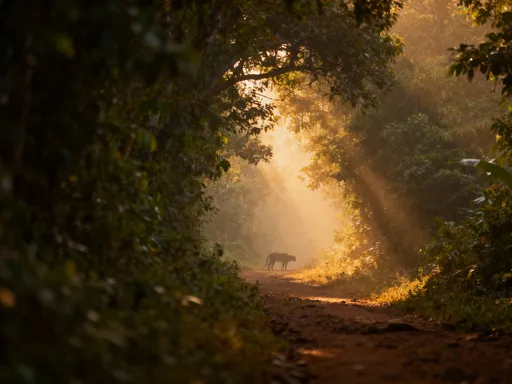
Nestled in the lush hills of North Goa, the Mhadei Wildlife Sanctuary remains one of the state’s best-kept secrets. Covering approximately 208 square kilometers, this protected forest is a biodiversity hotspot, home to species found nowhere else in India. It lies within the Mhadei River basin, a critical watershed that feeds into the Mandovi River, the lifeline of central Goa. But beyond its hydrological importance, Mhadei is a living sanctuary for wildlife, including the elusive leopard, the endangered Malabar large-spotted civet, and, most notably, signs of a resident tiger population—a rare and encouraging find in this region.
Entering Mhadei is like stepping into another world. The air grows cooler, thick with the scent of damp earth and wild herbs. Birdsong echoes from the canopy, and every rustle in the underbrush hints at unseen movement. The sanctuary’s dense evergreen and semi-evergreen forests provide shelter to over 260 bird species, making it a paradise for birdwatchers. Guides often point out the Malabar trogon, the Indian pitta, and the crested serpent eagle—each a jewel of the Western Ghats’ avian diversity. Night safaris, though limited and strictly regulated, offer glimpses of nocturnal creatures like the slender loris and the Indian pangolin, both threatened by habitat loss and illegal trade.
Visitors to Mhadei must follow strict guidelines to minimize impact. Entry is permitted only through authorized forest department checkpoints, and access is limited to designated trails and viewing zones. Permits are required and can be obtained in advance through official channels or with the help of eco-certified tour operators. The best time to visit is between November and March, when the weather is pleasant and wildlife sightings are more frequent. Monsoon season, while breathtakingly green, brings heavy rains that make trails slippery and access difficult. Responsible travel here means staying quiet, avoiding litter, and respecting the silence of the forest.
What sets Mhadei apart is not just its wildlife but its role as a vital corridor connecting forests across Goa, Karnataka, and Maharashtra. This connectivity allows animals to move freely, maintain genetic diversity, and adapt to environmental changes. Conservationists emphasize that protecting Mhadei is not just about saving individual species—it’s about preserving an entire ecosystem. For travelers, this means every visit supports a larger mission. When you walk these trails, you’re not just a spectator; you’re part of a growing movement to protect one of India’s last wild frontiers.
Bhagwan Mahavir Sanctuary & Mollem National Park: Heart of the Green
If Mhadei is Goa’s hidden gem, Bhagwan Mahavir Wildlife Sanctuary—and the Mollem National Park within it—is its green crown. Spanning over 240 square kilometers, it is the largest protected area in the state and a cornerstone of Goa’s conservation efforts. Located in the eastern part of North Goa, this sanctuary blends dense tropical forests, rocky plateaus, and cascading waterfalls into a landscape of breathtaking beauty. At its heart lies Dudhsagar Falls, one of India’s tallest waterfalls, where milky-white waters plunge 310 meters down a cliff face surrounded by untouched forest.
The sanctuary is a haven for wildlife. It hosts populations of gaur (Indian bison), sambar deer, sloth bears, and dholes (wild dogs), along with the ever-present leopards. Birdwatchers flock here to spot the Malabar pied hornbill, the grey-headed bulbul, and the rare flame-throated bulbul, endemic to the Western Ghats. The forest floor teems with life too—colorful frogs, endemic snakes, and a variety of butterflies that flit through sunlit clearings. Night walks, when permitted, reveal a different world: the glow of fireflies, the calls of barking deer, and the distant hoot of an owl.
Access to the sanctuary is primarily through the Mollem Forest Range, with entry points near the village of Colem. Visitors can reach the area by road from Panaji or Margao, though the final stretch involves a narrow, winding path that adds to the sense of adventure. Accommodation options include forest department guesthouses and eco-lodges run by local communities. Many travelers combine a visit to Dudhsagar with a trek through the surrounding trails, some of which lead to ancient Shiva temples hidden deep in the woods—a reminder that nature and culture have coexisted here for centuries.
Conservation here faces challenges, including illegal logging, poaching, and infrastructure projects that threaten forest connectivity. However, eco-sensitive tourism is helping to turn the tide. Guided treks, birding tours, and educational programs raise awareness and generate funds for protection. The sanctuary also plays a crucial role in water conservation, feeding the Mandovi River and supporting agriculture and drinking water supplies downstream. By choosing to visit responsibly—sticking to trails, avoiding plastic, and supporting local guides—travelers contribute directly to the sanctuary’s survival. This is not just a place to see; it’s a place to protect.
Netravali & Cotigao: Off-the-Beaten-Path Nature Escapes
For those seeking solitude and pristine nature, Netravali and Cotigao Wildlife Sanctuaries offer quiet alternatives to Goa’s more famous parks. Located in South Goa, these reserves are smaller in size but rich in ecological value. Netravali, spread across 211 square kilometers, is part of a vital wildlife corridor linking Goa’s forests with Karnataka’s Netravali Tiger Reserve. It is known for its dense evergreen forests, clear streams, and high levels of endemism. The sanctuary is a key habitat for the Nilgiri wood pigeon, the Malabar parakeet, and the vulnerable grizzled giant squirrel, a rare rodent with striking silver-tipped fur.
One of Netravali’s most unique features is the Surla Waterfall and the ancient Mahadev Temple nearby, where nature and heritage blend seamlessly. The sanctuary also protects the headwaters of the Kushavati River, ensuring clean water for downstream communities. Birdwatching is exceptional here, especially during winter when migratory species arrive. Early mornings bring a symphony of calls—the whistling of the Malabar whistling thrush, the chattering of jungle babblers, and the distant cry of a hawk. Trails are less developed, which means fewer crowds and a more immersive experience.
Cotigao Wildlife Sanctuary, at just 86 square kilometers, is even more intimate. Located near the Karnataka border, it is famous for its towering canopy walks—elevated platforms that allow visitors to walk above the forest floor and glimpse life in the treetops. These walks offer unparalleled views of the forest canopy, where hornbills glide between trees and langurs leap from branch to branch. The sanctuary’s tall trees, including rosewood and teak, create a dense green roof that filters sunlight into dappled patterns on the forest floor.
Like Netravali, Cotigao plays a crucial role in maintaining ecological connectivity. It serves as a buffer zone between larger protected areas and helps prevent habitat fragmentation. The sanctuary is also home to the Indian giant squirrel, the barking deer, and several species of reptiles and amphibians. Because it is less frequented by tourists, Cotigao offers a rare sense of peace—a chance to walk in silence, listen to nature, and feel truly present. For families or solo travelers looking for a slower pace, these sanctuaries provide a refreshing contrast to Goa’s bustling coast. They remind us that adventure doesn’t always require crowds; sometimes, it’s found in stillness.
Coastal Guardians: Mangroves and Marine Conservation Zones
While the forests of Goa capture much of the attention, its coastal ecosystems are equally vital. Along estuaries and riverbanks, mangrove forests act as natural shields against erosion, storm surges, and rising sea levels. These salt-tolerant trees with their tangled roots form complex habitats that support fish, crabs, birds, and even dolphins. One of the best places to experience this hidden world is the Salim Ali Bird Sanctuary on the island of Chorao, named after India’s legendary ornithologist. Here, narrow waterways wind through dense mangroves, creating a labyrinth of life.
A boat or kayak tour through the sanctuary is a sensory journey. The air is thick with the scent of mud and salt, and the water reflects the green canopy above. Kingfishers dart across the surface, while egrets and herons stand motionless, waiting to strike. Mudskippers—amphibious fish that walk on land—scuttle across exposed roots, and fiddler crabs wave their oversized claws in territorial displays. At low tide, the forest floor reveals itself, teeming with tiny creatures that form the base of the marine food chain. Guides often point out the different mangrove species, such as the grey mangrove and the red mangrove, each adapted to survive in harsh, saline conditions.
Beyond their beauty, mangroves provide critical services. They act as nurseries for fish, supporting local fisheries that feed thousands. They absorb large amounts of carbon dioxide, helping mitigate climate change. And they protect coastal communities by reducing the impact of cyclones and flooding. Despite their importance, mangroves have faced threats from land reclamation, pollution, and unregulated development. Conservation efforts now focus on restoration and community involvement, with local groups planting saplings and monitoring water quality.
Other coastal protection zones include the Zuari and Mandovi river estuaries, where mangroves intermingle with fishing villages and agricultural land. Responsible tourism here means choosing eco-friendly boat operators, avoiding plastic waste, and respecting nesting sites. Some homestays and nature camps offer educational programs on mangrove ecology, allowing visitors to learn while they explore. By supporting these initiatives, travelers help ensure that Goa’s coastal guardians continue to thrive—for the sake of both nature and people.
How to Visit Responsibly: A Traveler’s Guide
Exploring Goa’s protected zones is a privilege, not a right. With increasing visitor numbers, the need for responsible behavior has never been greater. The first step is choosing eco-certified tour operators who follow sustainable practices. These guides are trained in wildlife ethics, carry minimal gear, and avoid disturbing animals or their habitats. They also support local communities by hiring regional staff and using locally sourced materials. When booking a trek, birdwatching tour, or boat ride, look for operators affiliated with recognized conservation organizations or government-approved eco-tourism programs.
Another essential practice is the “leave no trace” principle. This means carrying out all waste, avoiding single-use plastics, and refraining from feeding or touching wildlife. Staying on marked trails prevents soil erosion and protects delicate plant life. In forests, silence is golden—loud noises scare animals and disrupt natural behaviors. Using binoculars instead of approaching too closely allows for better observation without intrusion. At night, red-filtered flashlights are less disruptive to nocturnal creatures than bright white beams.
Supporting local conservation efforts is equally important. Several NGOs in Goa work to protect forests, restore mangroves, and monitor wildlife. Travelers can contribute by donating, volunteering, or participating in citizen science programs like bird counts or tree planting. Some sanctuaries offer adoption schemes for trees or animal corridors, providing a meaningful way to give back. Staying in community-run homestays or eco-lodges not only offers authentic experiences but also channels income directly to those who depend on and protect these lands.
Finally, timing and preparation matter. Visiting during the off-peak season reduces pressure on infrastructure and increases the chances of peaceful, uncrowded experiences. Carrying reusable water bottles, wearing eco-friendly sunscreen, and packing light all contribute to a lower environmental footprint. Above all, approaching these spaces with humility and respect—recognizing that we are guests in nature’s home—ensures that future generations can enjoy the same wonders.
Why Protected Areas Matter—And Why Travelers Should Care
At their core, protected areas are not just parks or reserves—they are living systems that sustain life. In Goa, they regulate water flow, prevent soil erosion, support agriculture, and provide clean air. They are reservoirs of biodiversity, safeguarding species that may hold answers to medical, ecological, and climatic challenges. But they are also places of wonder, offering moments of awe, peace, and connection that are increasingly rare in our fast-paced world.
When travelers choose to visit these spaces, they do more than enjoy a scenic backdrop. They become witnesses to the intricate balance of nature. They hear the call of a hornbill, see the flash of a kingfisher, and feel the cool mist of a waterfall—and in that moment, they remember their place within the web of life. This shift in perspective is powerful. It fosters empathy, encourages stewardship, and inspires action. Many visitors leave with a renewed commitment to live more sustainably, not just on vacation but at home.
Moreover, responsible tourism supports local economies in ways that benefit both people and nature. When families earn income from guiding, homestays, or conservation work, they have a vested interest in protecting their environment. This creates a positive feedback loop: preservation leads to opportunity, which leads to further protection. It’s a model that proves conservation and community well-being can go hand in hand.
Goa’s protected zones remind us that true beauty lies not in perfection but in wildness—in the untamed, the unscripted, the unspoiled. They challenge us to look beyond the surface, to travel with intention, and to protect what we love. So the next time you plan a trip to this sun-kissed state, consider stepping off the beach and into the forest. Let the jungle whisper its secrets. Let the rivers guide your path. And let your journey be one of discovery, respect, and hope. Because the magic of Goa isn’t just in its sands—it’s in its soul.