You Won’t Believe These Hidden Public Gems in Canterbury
Walking through Canterbury, I never expected its public spaces to feel so alive—cobbled squares humming with chatter, riverside benches under willow shades, and quiet green courtyards tucked behind ancient walls. These aren’t just spots to pass through; they’re where the city breathes. Whether you're sipping coffee by the river or stumbling upon a pop-up market in a medieval square, Canterbury’s shared spaces blend history and modern charm in a way that feels both timeless and refreshingly real. For visitors and residents alike, especially those who appreciate a slower, more meaningful way of experiencing a city, these public gems offer connection, comfort, and quiet joy. They are not grand attractions with long queues, but intimate places where life unfolds naturally—perfect for a pause, a conversation, or a moment of reflection.
The Heartbeat of the City: Canterbury’s Public Squares
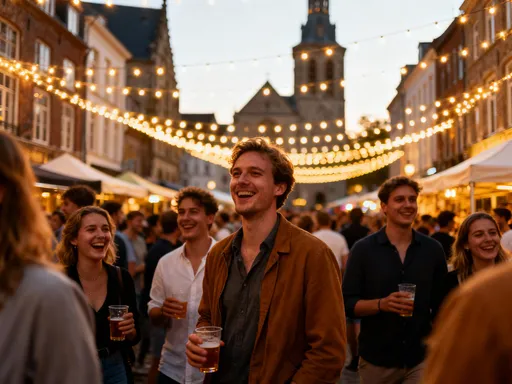
At the core of Canterbury’s urban rhythm are its public squares—open, accessible, and deeply woven into daily life. Marlowe Square, named after the Elizabethan playwright Christopher Marlowe who once studied in the city, stands as a modern example of thoughtful urban renewal. Once a traffic-heavy junction, it has been transformed into a pedestrian-friendly plaza with smooth paving, scattered seating, and seasonal planters that bloom with color from spring through autumn. The removal of vehicle access has made it safer for children, elderly visitors, and families pushing strollers, while the open layout invites impromptu gatherings, buskers, and outdoor art displays.
The Buttermarket area, though historically a center for dairy trade, now serves as a lively crossroads where shopping, dining, and community life intersect. Covered walkways shield visitors from rain, while wide footpaths accommodate steady foot traffic. Local businesses spill out during warmer months with tables and chairs, turning the space into an informal café zone. What makes these squares special is not just their design, but how locals claim them—mothers meeting for morning walks, retirees sharing newspapers on benches, students sketching in notebooks. These are not curated tourist experiences, but organic moments of city life.
Recent city council initiatives have emphasized placemaking—designing spaces with people in mind rather than vehicles. This includes lowering curbs, installing tactile paving for the visually impaired, and scheduling regular community events such as seasonal fairs and craft markets. These efforts have not erased history; instead, they’ve enhanced it. Medieval stone facades now frame contemporary life, creating a dialogue between past and present. The success of these upgrades lies in their subtlety: improvements feel natural, not imposed, allowing the character of each square to remain distinct while becoming more inclusive.
For a visitor, spending time in these squares offers a deeper understanding of Canterbury beyond the cathedral and gift shops. It’s here that you hear the local accent in full swing, catch snippets of school gossip, or witness a street performer earning genuine applause. These spaces function as the city’s living room—welcoming, unpretentious, and always in motion.
Along the River Stour: Green Corridors and Leisure Paths
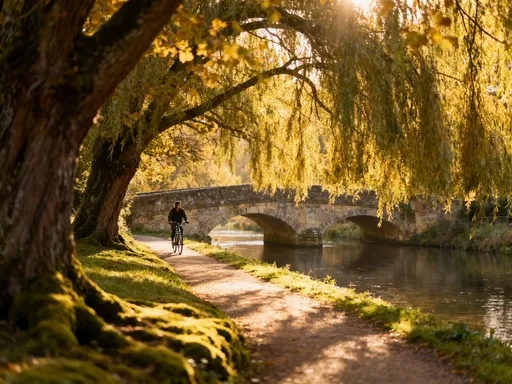
The River Stour winds through Canterbury like a ribbon of calm, offering one of the city’s most cherished public assets—the riverside walkway. Lined with willow trees, dotted with benches, and bordered by lush greenery, this network of paths connects neighborhoods, parks, and historic sites with effortless grace. Whether walking, jogging, or cycling, residents and visitors alike find solace along its banks. The path is fully accessible, with gentle gradients and clear signage, making it suitable for people of all ages and mobility levels.
One of the most beloved stretches runs from Westgate Gardens to St Martin’s Church, passing under stone bridges and alongside houseboats painted in cheerful colors. In spring, daffodils and bluebells carpet the banks; in summer, families gather for picnics on the grassy slopes; in autumn, golden leaves drift onto the water’s surface, creating mirror-like reflections. Even in winter, the path draws walkers bundled in coats, enjoying the crisp air and the quiet rhythm of the flowing river.
Westgate Gardens, situated just outside the old city walls, is a centerpiece of this green corridor. Once part of a medieval gateway and later a prison, the space was reimagined in the 19th century as a public garden. Today, it features manicured lawns, rose beds, and a small children’s play area, all within sight of the river. The gardens host seasonal events, including open-air theatre performances and vintage fairs, drawing crowds without ever feeling overcrowded. Benches are thoughtfully placed to face the water, encouraging pause and contemplation.
Boating is another way locals and tourists engage with the river. Small rowboats and punts can be rented near the Stour’s edge, offering a unique perspective of the city from the water. It’s not unusual to see a grandmother guiding a boat while her grandchildren laugh from the back seat. These shared experiences reinforce the river’s role not just as a scenic feature, but as a connector of generations and communities. The city’s commitment to maintaining clean waterways and safe access ensures this resource remains a point of pride for years to come.
Inside the Walls: Historic Grounds Turned Public Space
Canterbury’s layered history is most palpable in its former ecclesiastical and institutional grounds, many of which have gently opened to the public. St Augustine’s Abbey, once a secluded monastic complex, now welcomes visitors through its archaeological park. Though the abbey itself is managed by English Heritage, the surrounding green space functions as a semi-public park. Wide lawns, ancient tree lines, and the remains of cloisters create an atmosphere of quiet reverence. Dog walkers, photographers, and history enthusiasts move through the space with a sense of hushed respect.
Similarly, the grounds of The King’s School, one of England’s oldest continuously operating schools, offer unexpected access to serene pathways and walled gardens. While parts remain private, certain footpaths are open to the public, allowing pedestrians to glimpse Tudor-era buildings and manicured courtyards. These routes are especially popular during early morning and late afternoon, when sunlight filters through the trees and the school’s bells echo across the grass. The blend of educational tradition and public access reflects Canterbury’s broader ethos: preserving heritage while making it relevant to contemporary life.
What makes these spaces powerful is their ability to inspire reflection. Unlike bustling market squares, they offer stillness—a chance to step out of the everyday rush. Parents bring toddlers to feed ducks in quiet ponds; retirees sit on wooden benches with books or thermoses; students find quiet corners to study. These grounds are not manicured for spectacle, but maintained for dignity and use. The city’s approach to managing them—balancing preservation with access—sets a standard for historic towns across the UK.
Seasonal changes deepen their appeal. In April, cherry blossoms frame the abbey ruins; in May, wisteria climbs the stone walls in purple cascades. Even on rainy days, the scent of wet earth and old stone creates a sensory experience that feels both grounding and poetic. These spaces remind visitors that history is not locked behind glass—it lives in the air, the soil, and the footprints of those who walk through it.
Markets and Street Life: Where Commerce Meets Community
Canterbury Market is not merely a place to buy produce—it is a social institution. Operating on Fridays and Saturdays in the heart of the city, the market transforms the medieval marketplace into a vibrant sensory experience. Stalls overflow with fresh fruits, artisan breads, local cheeses, and handmade crafts. The scent of roasting coffee mingles with the tang of sea salt from smoked fish, while the colors of seasonal flowers and ripe vegetables create a living mosaic.
What sets this market apart is its authenticity. Most vendors are local farmers, bakers, or craftspeople who return week after week, building relationships with regular customers. A woman buying tomatoes might pause to ask how the grower’s harvest has been; a man selecting honey might receive a tip on how to use it in tea. These exchanges are small, but they build trust and community. Unlike commercial shopping centers, where transactions are quick and impersonal, the market fosters connection.
Adjacent seating areas—simple wooden benches and stone ledges—allow visitors to linger with takeaway food. It’s common to see people sharing pastries, reading books, or simply watching the world go by. On sunny days, the space buzzes with energy; on overcast mornings, it hums with quiet conversation. The city has wisely preserved this rhythm by limiting chain retailers in the market area, ensuring that small businesses remain the heartbeat of commerce.
Seasonal events enhance the market’s role as a community hub. During Christmas, wooden huts replace some stalls, offering mulled wine, handmade ornaments, and roasted chestnuts. In summer, live music adds to the atmosphere, drawing families and tourists alike. These moments do not feel staged, but like natural extensions of the market’s spirit. For a city that values both tradition and livability, the market exemplifies how commerce and community can thrive together.
Green Oases: Parks and Urban Gardens
Amid the historic core, Canterbury’s parks provide essential breathing room. Dane John Gardens, built on the site of a Roman fort and later a medieval Jewish cemetery, is one of the city’s most elegant green spaces. Its circular design, with concentric pathways and a central mound offering panoramic views, reflects 18th-century landscaping principles. The surrounding Roman walls, still standing in parts, add a sense of timelessness. In spring, tulips bloom in regimented rows; in summer, roses perfume the air; in autumn, the foliage turns to gold and crimson.
Families often gather here for weekend outings—children chase pigeons, couples stroll hand in hand, and solo walkers find quiet corners beneath yew trees. The park’s accessibility makes it popular with older residents who appreciate its gentle slopes and shaded benches. Educational plaques explain the site’s layered history, turning a leisurely walk into a subtle learning experience. Unlike highly programmed urban parks, Dane John retains a sense of dignity and calm, allowing visitors to move at their own pace.
Another green treasure lies within the University of Kent’s campus, just a short walk from the city center. While the university is private, many of its footpaths and green spaces are open to the public. Wide lawns, reflective lakes, and modern sculptures create a contrast with the city’s medieval character, yet the blend feels harmonious. The campus hosts public events such as outdoor film screenings and summer concerts, further blurring the line between academic and civic life.
Smaller gardens, like those near the Old Synagogue or behind parish churches, offer intimate retreats. These spaces may not appear on tourist maps, but they are cherished by locals. A bench beneath a flowering crabapple tree, a hidden fountain, a patch of lavender—these details create micro-moments of beauty. The city’s investment in maintaining these oases, no matter their size, reflects a deep understanding of urban well-being. Green spaces are not luxuries; they are necessities for mental health, social cohesion, and environmental resilience.
Inclusive Design: Accessibility and Comfort in Shared Spaces
What makes Canterbury’s public spaces truly exceptional is their attention to inclusivity. Thoughtful design ensures that people of all ages and abilities can enjoy them without barriers. Benches with backrests and arm supports are placed at regular intervals, allowing older adults and those with limited stamina to rest comfortably. Many are positioned to face scenic views—rivers, gardens, historic facades—enhancing the experience of pause.
Lighting is another key feature. Well-placed, low-glare lamps illuminate pathways after dark, making evening walks safe and inviting. This encourages use beyond daylight hours, supporting social life and personal well-being. Signage is clear and consistent, using simple language and pictograms to guide visitors. Tactile paving helps visually impaired individuals navigate intersections and steps, while ramps replace many former staircases.
Dog-friendly zones, complete with waste bags and water stations, reflect the city’s recognition of pets as part of family life. Play areas are designed with safety and imagination in mind—soft surfacing, shaded structures, and equipment suitable for various age groups. Clean, well-maintained restrooms, including accessible and baby-changing facilities, are available in major parks and near the market, removing a common barrier to longer visits.
The reduction of vehicle dominance has been central to this vision. Traffic-calming measures, pedestrian-only zones, and expanded cycle lanes prioritize people over cars. This shift has not only improved safety but also reduced noise and pollution, making public spaces more pleasant. For families with young children, the ability to walk freely without fear of traffic is transformative. These design choices are not flashy, but they are deeply felt—evidence of a city that listens to its residents and plans with compassion.
The Future of Public Life: Balancing Growth and Authenticity
As Canterbury continues to grow, the future of its public spaces hangs on a delicate balance. Tourism brings economic benefits, but overcrowding and commercialization threaten the authenticity that makes these places special. Some worry that historic squares could become stage sets for visitors, losing their role as genuine community hubs. Others fear that rising property values might push out long-time residents, altering the social fabric.
Yet the city has shown a strong commitment to preserving its character. Council-led projects, such as the expansion of green corridors and the restoration of neglected gardens, aim to increase public access rather than restrict it. Community consultations are now standard practice before major changes, ensuring that residents’ voices are heard. Initiatives like volunteer gardening groups and neighborhood clean-up days foster a sense of ownership and pride.
Looking ahead, Canterbury has the potential to serve as a model for historic cities worldwide. It demonstrates that heritage and modernity need not conflict—that ancient walls can coexist with accessible pathways, and that centuries-old markets can adapt without losing their soul. The key lies in intentionality: designing not for spectacle, but for belonging.
For women between 30 and 55—mothers, caregivers, professionals, retirees—these spaces offer something invaluable: a sense of place. They are where you can breathe deeply, reconnect with loved ones, or simply be alone without feeling isolated. They support well-being not through grand gestures, but through quiet, consistent care. In a world that often feels rushed and impersonal, Canterbury’s public gems remind us that the best things in life are shared, simple, and within reach.