Festival Dreams in Maastricht? Don’t Fall for These Hidden Traps
Maastricht bursts with energy during festival season—colorful streets, buzzing markets, and music in the air. But behind the charm, travelers often stumble into avoidable mistakes. I learned the hard way: overcrowded venues, confusing schedules, and overpriced bites can turn magic into stress. This is real talk from someone who’s been there. Let’s uncover what no guidebook warns you about—so your festival trip stays joyful, authentic, and truly unforgettable.
The Allure of Maastricht’s Festival Scene
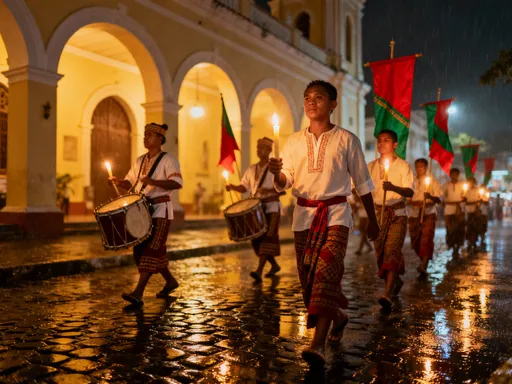
Maastricht, nestled in the southernmost tip of the Netherlands, offers a cultural mosaic unlike any other Dutch city. Its cobblestone lanes, centuries-old churches, and tree-lined squares serve as a living backdrop for a dynamic calendar of festivals that draw visitors from across Europe. The city pulses with creativity and tradition, where each season brings a new reason to celebrate. From the exuberant Carnival in February to the literary reflections of the International Literature Festival in autumn, Maastricht’s festival scene is both diverse and deeply rooted in local identity.
What sets Maastricht apart is its unique blend of cultural influences. Positioned near the borders of Belgium and Germany, the city carries echoes of French elegance, Belgian warmth, and Dutch pragmatism. This convergence shapes its festivals into something more than just events—they become immersive experiences. The Novemberfest, for example, blends German-style beer hall merriment with Dutch humor and local Limburgish pride. Meanwhile, the Festival of Lights transforms the city’s historic core into a glowing dreamscape, where illuminated art installations reflect off the Meuse River, inviting quiet contemplation amid celebration.
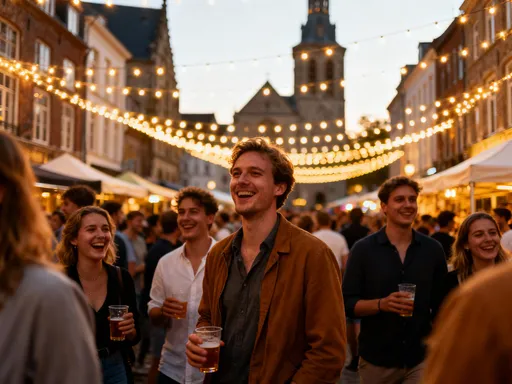
Travel content often portrays these festivals as seamless, picture-perfect moments: golden-hour photos of smiling crowds, steaming mugs of glühwein, and stages framed by Gothic spires. While these moments do happen, they are not guaranteed. The emotional draw—of feeling part of something vibrant and timeless—can sometimes overshadow the practical realities. Visitors arrive with high expectations, only to find that the magic requires more than just showing up. Understanding the rhythm of the city, the timing of events, and the behavior of crowds is essential to truly savoring what Maastricht offers.
Pitfall #1: Misreading the Festival Schedule
One of the most common yet preventable missteps is misinterpreting the festival schedule. Maastricht’s event calendar is rich, often featuring multiple overlapping programs during peak seasons. What looks like a single festival might actually be a constellation of ticketed performances, free pop-up acts, street parades, and neighborhood gatherings. Without careful attention, it’s easy to assume an event is happening all day or every day, only to arrive and find the stage empty or the venue closed.
Take Carnival, for example. While the main parade happens on a specific Sunday, many side events—such as costume contests in local pubs or live music in community centers—are not widely advertised online. These smaller happenings often rely on word-of-mouth or flyers posted in cafes. Conversely, some outdoor concerts scheduled for Vrijthof Square may be relocated indoors due to rain, with updates shared only on the city’s official event app or social media pages. Travelers who rely solely on printed brochures or third-party travel sites may miss these last-minute changes.
To avoid disappointment, always cross-reference event details through official channels. The Maastricht Tourism website and the Maastricht Event Calendar app provide real-time updates, including cancellations and venue shifts. Additionally, many festivals offer daily programs at information kiosks set up in Markt Square or near the Town Hall. Picking up a printed schedule each morning can help you adapt to changes and discover surprise events you might otherwise miss. Remember, flexibility is not the enemy of good planning—it’s a necessary companion.
Pitfall #2: Underestimating the Crowd Factor
Maastricht’s charm lies in its intimate scale, but that same compactness becomes a challenge during major festivals. The city center, particularly around Vrijthof and Markt Square, transforms into a sea of people. These areas, normally walkable in minutes, can take 20 minutes or more to cross during peak hours. For travelers with strollers, luggage, or mobility concerns, the density can feel overwhelming and even unsafe.
The impact of crowds goes beyond discomfort. Long lines form at food stalls, restrooms, and entrance points to popular venues. Seating in cafes and restaurants is often reserved for diners, leaving visitors standing for hours. During the Festival of Lights, some of the most photographed installations are surrounded by onlookers, making it difficult to experience them without jostling for position. In extreme cases, local authorities have temporarily restricted access to certain zones to manage foot traffic, a measure that catches unprepared visitors off guard.
Smart navigation begins with timing. Arriving early—ideally an hour before an event starts—can secure a good viewing spot and reduce stress. Alternatively, consider visiting later in the evening when the initial rush has subsided. Another effective strategy is to explore alternative viewing areas. For instance, instead of crowding into Vrijthof for a concert, find a bench along the Meuse River where sound systems often carry the music. The Wyck neighborhood, just across the bridge, offers quieter streets and independent venues that host parallel events with fewer tourists. Using side streets like Grote Looiersstraat or Kruisherenstraat can also help you bypass the busiest thoroughfares.
Pitfall #3: Overpaying for Food and Drinks
Festival food is part of the experience, but it often comes with a premium price tag. Temporary stalls in the main squares may charge up to double the regular cost for simple items like coffee, fries, or soft drinks. A sandwich that costs €4 in a regular deli might be €8 at a festival stand. While some visitors accept this as part of the event economy, others feel frustrated by the lack of transparency and value.
The markup is understandable—vendors pay for permits, equipment, and prime locations—but it doesn’t mean you have to accept it blindly. One of the best ways to save money and enjoy better quality is to step away from the central hubs. Explore side streets where local cafes and bakeries remain open during festivals. These establishments often maintain regular pricing and offer familiar favorites like Limburgse vlaai (a regional fruit tart) or fresh stroopwafels. Some even set up outdoor seating to accommodate festival-goers without inflating their menu.
For those with dietary needs, the issue is even more pressing. Many temporary food stalls offer limited vegetarian, vegan, or allergy-friendly options. If you have specific requirements, it’s wise to plan ahead. The Jumbo or Albert Heijn supermarkets near the central station carry ready-to-eat meals, snacks, and bottled water at standard prices. Packing a small picnic can make a big difference, especially during full-day events. Bringing a reusable water bottle is also practical—Maastricht has several public drinking fountains, particularly near parks and riverbanks, allowing you to refill for free.
Pitfall #4: Ignoring Transport and Parking Realities
Getting to Maastricht is easy—whether by train from Amsterdam, Brussels, or Cologne—but navigating once you arrive can be tricky. During major festivals, large sections of the city center are closed to vehicles. Roads leading into Markt Square or Vrijthof are often blocked off, and GPS systems may not reflect these temporary changes, leading drivers into restricted zones and costly fines.
Parking is another challenge. While the city has several multi-story car parks, such as those at Parking Transvaal or Parking Stadhuis, these fill up quickly during events. Some travelers attempt to park on residential streets, only to find they’ve violated local restrictions. The best strategy is to park on the outskirts and walk in. Parking lots near the Amby or Randwyck neighborhoods offer ample space and are connected to the city center by frequent bus lines or scenic walking paths along the Meuse.
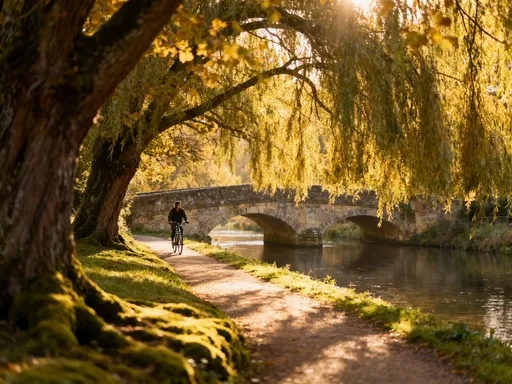
Public transport adjusts its schedule during festivals, with extra trams and buses deployed to handle demand. However, these services can still be crowded, especially in the evenings. Consider arriving by train and using the central station as your entry point—it’s well-connected and within a 15-minute walk of most festival zones. For a more enjoyable experience, rent a bike. Maastricht is a bike-friendly city with dedicated lanes and rental stations throughout the center. Cycling not only avoids traffic but also lets you explore at your own pace, discovering quiet corners between events.
Pitfall #5: Missing the Local Flavor Amid the Hype
It’s easy to get caught up in the main attractions—parades, headline concerts, and famous squares—but doing so can mean missing the soul of the city. Many tourists stay within the tourist triangle of Vrijthof, Markt, and Stokstraat, unaware that some of the most authentic experiences happen just a few blocks away. The true character of Maastricht reveals itself in its neighborhoods, where locals gather for smaller, community-driven events.
The Wyck district, across the Sint Servaasbrug, hosts art exhibitions, jazz nights, and pop-up markets during festivals. These events are less crowded and often free, offering a more relaxed atmosphere. Similarly, the Céramique area, home to the Bonnefanten Museum, sometimes features open studio tours or outdoor film screenings that attract a local crowd. These gatherings provide a chance to interact with residents, hear Limburgish dialect, and enjoy culture without the commercial pressure of the main zones.
To find these hidden experiences, talk to locals. A simple question at a café counter—“What’s happening nearby tonight?”—can lead to surprising invitations. Community bulletin boards in libraries, supermarkets, or neighborhood centers often list small-scale events not featured in official guides. Independent bookshops like Dominicanen Boekhandel sometimes host readings or music sessions during the Literature Festival. Even a walk through quieter streets like Boschstraat or Tongerseweg can reveal decorated windows, street musicians, or impromptu dance performances that capture the spirit of celebration in its purest form.
Making the Most of Your Festival Experience: A Smarter Approach
The key to a fulfilling festival experience in Maastricht is balance. It’s not about rigid scheduling or avoiding spontaneity, but about combining preparation with openness. Start with a loose itinerary that includes must-see events, but leave room for discovery. Check the weather forecast—rain can shift outdoor events indoors, while sunshine might spark unplanned street performances. Having a backup plan ensures you don’t waste precious time.
Packing smart enhances comfort and convenience. A portable phone charger is essential—photos, navigation, and communication drain batteries quickly. A lightweight, packable rain jacket is a must, as sudden showers are common, especially in spring and autumn. While many vendors accept cards, smaller stalls and local artisans often prefer cash, so carrying some euros in small denominations is wise. Comfortable walking shoes are non-negotiable; Maastricht’s cobblestones are beautiful but unforgiving after hours of exploration.
Equally important is mindset. Embrace the imperfections—delays, detours, and unexpected closures are part of the journey. A missed concert might lead to a conversation with a local artist in a quiet courtyard. A crowded square might push you toward a hidden park where children are dancing to a brass band. These unplanned moments often become the most memorable. Respect for local customs—like speaking softly in historic areas or disposing of trash properly—ensures you’re welcomed as a thoughtful guest, not just another tourist.
Conclusion
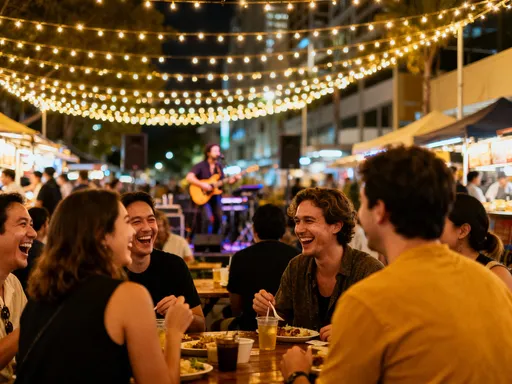
Festivals in Maastricht offer soul-stirring moments—but only if you navigate them wisely. Avoiding these common pitfalls doesn’t mean over-planning; it means traveling with awareness. When you sidestep the stress, what’s left is pure joy: laughter in the squares, music echoing off ancient walls, and connections forged through shared celebration. Let the city surprise you—just make sure you’re ready for it. With the right preparation, a curious heart, and respect for the local rhythm, your festival experience can be as authentic as it is unforgettable. Maastricht doesn’t just host festivals; it lives them. And when you move through its streets with intention, you don’t just witness the magic—you become part of it.