You Won’t Believe What Happens When Boracay Celebrates – I Was Speechless
Have you ever seen a beach come alive with music, fire, and dancing until dawn? I didn’t think it was possible until I experienced festival season in Boracay. It’s not just about the white sand or crystal water—this island transforms into a pulsing hub of culture and energy. From spontaneous street parties to traditional performances under the stars, every moment feels electric. If you’re looking for more than just a beach escape, this is it. The island breathes differently during its peak celebration months, offering a rare blend of natural serenity and vibrant community spirit that lingers in your memory long after the tan fades.
Arrival in Boracay: First Impressions That Take Your Breath Away
Touching down at Caticlan Airport during festival season is like stepping into a postcard that suddenly starts moving and playing music. The moment you exit the small terminal, the air hums with anticipation—colorful banners flutter above the road, drumbeats echo from nearby practice grounds, and locals in bright, hand-painted shirts move with purpose. The usual tropical calm of Boracay is still present, but it’s layered now with excitement, like a quiet symphony building toward a crescendo. The short boat ride to the island becomes part of the experience, with fellow travelers exchanging smiles and questions: ‘Are the dances starting tonight?’ ‘Have you been here for this before?’
What makes arriving during festival time so special is the immediate sense of inclusion. You're not just a visitor—you're stepping into a shared celebration. The usual beachside serenity is enhanced, not disrupted, by the festive energy. Vendors near the码头 (landing area) already have stalls set up with handmade fans, temporary tattoos, and woven bracelets, all echoing the island’s cultural motifs. Resorts and eateries display festive signage, and even the palm trees seem dressed up, strung with paper lanterns and fabric streamers that catch the sea breeze.
Tourists who come solely for sunbathing and swimming may not realize how much deeper the Boracay experience can be when timed with local festivities. While the island is breathtaking year-round, visiting during a celebration season reveals a different dimension—one rooted in community, tradition, and joyful expression. It’s the difference between admiring a painting and stepping inside it. The festivals don’t overpower the island’s natural beauty; they illuminate it, adding rhythm to the waves and color to the skyline.
For families and solo travelers alike, this timing offers a rare opportunity to witness Filipino hospitality at its most vibrant. Children dance barefoot near the shore, elders smile from shaded benches, and strangers become dance partners under the open sky. There’s a warmth here that goes beyond the tropical climate—it’s human, heartfelt, and inclusive. If you’re considering a trip to Boracay, planning it around one of these seasonal celebrations could transform a simple vacation into a meaningful cultural encounter.
The Heartbeat of the Island: Ati-Atihan-Inspired Celebrations in Boracay
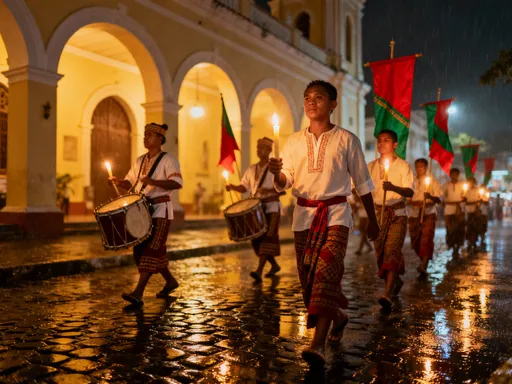
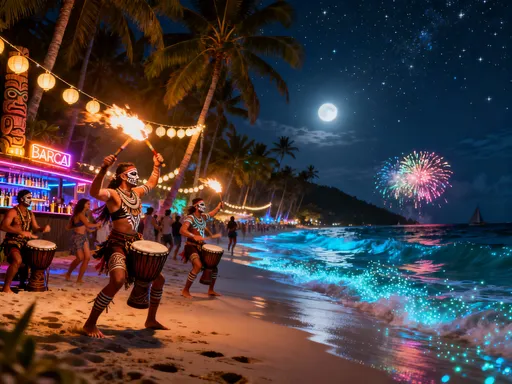
While Boracay does not host the official Ati-Atihan Festival—whose roots lie in Kalibo, Aklan—the island pays vibrant homage to its spirit every festival season. The deep, resonant beat of tribal drums echoes along White Beach each evening, summoning crowds to impromptu dance circles and choreographed street parades. Inspired by the centuries-old celebration honoring the Santo Niño, these events capture the essence of Filipino festivity: faith, resilience, and uncontainable joy. Locals paint their faces with soot and natural dyes, wear feathered headdresses, and move in rhythmic unison, their steps pounding the sand like a heartbeat.
Resorts and community groups collaborate to organize these cultural showcases, often inviting performers from nearby provinces to share authentic dances and musical traditions. The celebrations are not mere tourist attractions—they are acts of cultural pride. You’ll see families dancing together, teenagers leading choreography, and elders nodding to the beat, eyes gleaming with recognition. The air fills with chants of ‘Hala Bira!’—a traditional call of celebration—and the scent of grilling food blends with the ocean breeze, creating a multisensory experience that feels both ancient and immediate.
For visitors, participating doesn’t require prior knowledge or skill. All that’s asked is respect and an open heart. Many tourists join in the dancing, following the lead of local performers, their movements growing more confident with each passing song. Children hand out handmade rhythm sticks, and volunteers offer face paint in traditional patterns. These moments—unscripted and genuine—are what make the experience unforgettable. It’s not about perfection; it’s about presence.
The cultural significance of these performances cannot be overstated. They honor the island’s indigenous roots and the Filipino value of bayanihan, or communal unity. Even though the festival in Boracay is not the original Ati-Atihan, it carries forward its spirit in a way that feels authentic and inclusive. The drumming, the dancing, the shared meals—it all speaks to a deeper connection between people and place, a reminder that celebration is not just entertainment, but a form of belonging.
Sunset to Sunrise: A Day in the Life of a Festival Goer
Imagine waking not to an alarm, but to the distant rhythm of drums warming up for the day’s events. By mid-morning, the island is already buzzing. In open-air pavilions near D'Mall, local instructors lead drumming workshops, inviting guests of all ages to try their hand at traditional rhythms. Children giggle as they pound small drums, while adults sway to the growing beat. These sessions are more than entertainment—they’re a way to connect with the music that drives the festival, to feel the pulse of the culture in your hands.
By early afternoon, the food stalls begin to rise like edible art installations. Grilled fish skewers sizzle over open flames, their smoky aroma mingling with the sweetness of caramelized bananas. Halo-halo carts, piled high with crushed ice, purple yam, sweet beans, and milk, offer refreshing relief from the tropical heat. Families gather at long communal tables, sharing plates and stories. It’s not just about eating—it’s about gathering, laughing, passing dishes hand to hand. The festival food scene is a celebration of Filipino culinary heritage, where every bite tells a story of home and tradition.
As the sun begins to dip, painting the sky in gold and coral, the real transformation begins. White Beach becomes a stage. Musicians tune their instruments on floating platforms, and dancers rehearse their routines in the softening light. Flashlights and LED bracelets appear, carried by children forming a glowing procession along the shoreline. This flashlight parade, a beloved nightly tradition, turns the beach into a river of light, winding from Station 1 to Station 3 like a living constellation.
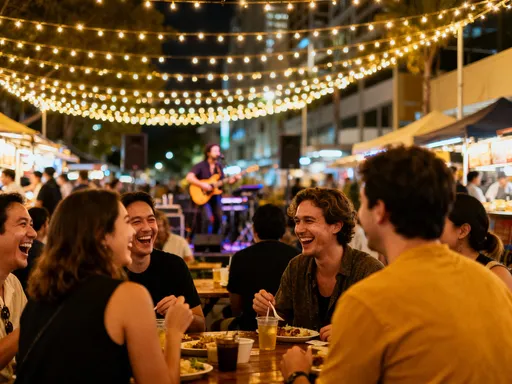
By midnight, the energy is electric. Beachfront concerts feature live bands playing a mix of traditional folk songs and upbeat OPM (Original Pilipino Music). Couples sway, friends dance in clusters, and solo travelers find themselves pulled into the circle. There’s no pressure to perform—only to participate. The sand, cool underfoot, becomes the world’s softest dance floor. And when the final song ends, some head back to their accommodations, while others stay to watch the sky lighten over the horizon, their faces still glowing with the night’s joy.
Where to Stay: Choosing Your Base for Maximum Fun and Comfort
One of the most important decisions for a festival visit is where to stay—and the good news is that Boracay’s compact size means you’re never far from the action. Station 2 remains the epicenter of most festival events, making it ideal for travelers who want to step out of their room and into the celebration. The area is lined with restaurants, shops, and performance spaces, and during festival season, it pulses with continuous activity. Staying here means easy access to concerts, food zones, and late-night gatherings, but it also means being near louder crowds and busier streets.
For those seeking a balance between convenience and calm, Station 1 offers a more relaxed atmosphere without sacrificing proximity. Known for its wider stretch of beach and fewer commercial establishments, it provides a quieter place to rest while still being within a 10- to 15-minute walk of the main events. Many families and older travelers prefer this area, as it allows for peaceful mornings and easy access to evening festivities. Resorts here often emphasize comfort and privacy, making them ideal for recharging after a night of dancing.
For travelers who value solitude and a more secluded experience, Yapak (also known as Station 3 North) is an excellent choice. Located at the northern end of the island, it’s quieter, less developed, and surrounded by natural beauty. While it’s farther from the main festival hubs, it’s perfect for those who want to escape the crowds after a full day of celebration. The walk to Station 2 takes about 25 to 30 minutes, but many guests find the journey worthwhile for the tranquility it offers. E-bikes and tricycles are readily available for those who prefer not to walk.
Booking in advance is essential during festival season. Rooms fill up months ahead, and last-minute searches can lead to disappointment or inflated prices. Travelers are advised to secure accommodations early, especially if traveling in groups or with family. Look for places that offer early check-in or late check-out options, as festival schedules often blur the lines between days. While specific resort names may vary in availability, focusing on location and guest reviews can guide a smart decision. The key is to choose a base that aligns with your travel style—whether you want to be in the heart of the rhythm or retreat to quiet moments between celebrations.
Getting Around: Navigating the Island Without the Hassle
One of Boracay’s greatest advantages is its walkability. The entire length of White Beach—from Station 1 to Station 3—is approximately four kilometers, making it entirely feasible to explore on foot. During festival season, walking becomes not just a mode of transport, but part of the experience. You’ll pass impromptu dance circles, street performers, and food carts offering quick bites. The soft sand underfoot slows your pace, encouraging you to linger, observe, and connect.
For longer distances or when the sun is high, tricycles remain the most common form of motorized transport. These motorcycle-sidecar hybrids are everywhere, and drivers are generally friendly and familiar with tourist needs. However, it’s wise to agree on the fare before starting your ride. While most drivers are honest, festival crowds can attract opportunistic pricing. A short trip between stations should cost a modest amount, and using common currency (Philippine pesos) avoids confusion. Carrying small bills helps, as change can be hard to come by during busy times.
E-bikes have become increasingly popular, offering a fun and efficient way to cover more ground. Available for rent at various points along the beach, they’re easy to operate and environmentally friendly. Families often rent them for shared rides, laughing as they wobble slightly on the sandy paths. Just remember to wear sunscreen and stay hydrated—riding under the tropical sun can be more taxing than expected.
Another option, especially for early risers, is the network of footpaths that connect inland areas to the beach. These shaded trails offer a cooler, quieter alternative to the open shoreline and are often used by locals. They lead to markets, residential zones, and smaller coves, giving visitors a glimpse into everyday island life. Whether you walk, ride, or pedal, getting around Boracay during festival season is part of the adventure—a journey through sound, scent, and movement.
What to Eat: Fueling Up on Local Flavors and Festival Bites
No festival experience is complete without its flavors, and Boracay delivers a feast for the senses. During celebration season, pop-up food zones spring up near D'Mall and along the beach, transforming into open-air markets of taste and tradition. Fresh coconuts, cracked open on the spot, offer cool, sweet water that’s perfect for rehydrating under the sun. Grilled fish skewers, marinated in calamansi and soy, sizzle over charcoal, their smoky aroma drawing crowds like a magnet.
One must-try is turon—a sweet banana and jackfruit roll wrapped in spring roll wrapper and fried until golden. Served hot with a sprinkle of sugar, it’s the ideal handheld treat between dances. Mango shakes, made from the island’s famously sweet fruit, are another favorite, blending creamy texture with tropical brightness. Vendors blend them fresh, often adding a scoop of ice cream for extra indulgence.
For heartier fare, look for boodle fights—communal meals where food is laid out on banana leaves for shared eating. These gatherings feature grilled meats, rice, and vegetables, encouraging conversation and connection. It’s not just a meal; it’s a cultural ritual that reflects the Filipino value of sharing. Seafood lovers will find plenty of options, from buttered shrimp to kinilaw (Filipino ceviche), all sourced daily from local fishermen.
While the food is delicious, it’s wise to be mindful of hygiene. Stick to stalls with high turnover, where food is cooked fresh and served hot. Bottled water is recommended, and hand sanitizer is a useful companion. The goal is to enjoy freely while staying safe—after all, no one wants a stomach issue to cut short a magical trip. With a little caution, every meal becomes a celebration of flavor and tradition.
Beyond the Party: Finding Quiet Moments Amid the Chaos
Amid the drumming, dancing, and feasting, Boracay still offers sanctuaries of calm. For travelers seeking balance, early mornings provide a chance to reconnect with the island’s natural serenity. Sunrise yoga sessions, held on quiet stretches of beach, invite participants to stretch, breathe, and center themselves as the sky shifts from indigo to soft gold. Instructors guide gentle flows, their voices blending with the rhythm of the waves. No experience is needed—just a willingness to be present.
For a more active retreat, sunrise kayaking offers a peaceful way to explore the coastline. Paddling through calm waters, you’ll see the island from a new perspective—rock formations glowing in the morning light, seabirds circling above, and the distant sound of the waking town. Some tours include stops at hidden coves or snorkeling spots, where the water is so clear you can see every coral ridge and darting fish.
The northern coves, less frequented by festival crowds, are perfect for quiet walks or reading under a palm tree. Here, the sand is just as white, the water just as blue, but the atmosphere is hushed, almost reverent. It’s a reminder that Boracay’s beauty isn’t diminished by celebration—it’s deepened. These quiet moments don’t pull you away from the festival; they enhance it, giving you space to reflect and recharge.
Even during peak celebration, the island maintains its balance between energy and peace. You can dance until dawn and still find a moment of stillness at sunrise. This duality is what makes Boracay so special—it doesn’t force you to choose between adventure and calm, culture and nature. It offers both, generously and gracefully.
The magic of Boracay during festival season lies not just in the music or the lights, but in the way it brings people together—across ages, backgrounds, and languages. It’s a living testament to the Filipino spirit: warm, resilient, and endlessly joyful. The white sand and turquoise waters will always draw visitors, but it’s the heartbeat of celebration that makes the island unforgettable. For those willing to step into the rhythm, to dance barefoot in the sand and share a meal with strangers who feel like friends, Boracay offers more than a vacation. It offers a memory that moves with you, long after you’ve left the shore.