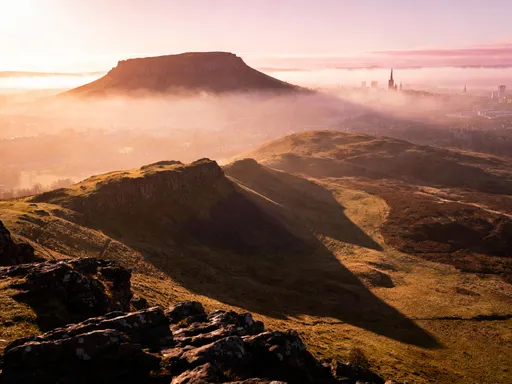
You Gotta See Zurich from These Spots — Mind-Blowing Views Await
Zurich isn’t just about sleek trains and chocolate shops — trust me, the real magic happens when you step back and see it all unfold. I’m talking panoramic rooftops, quiet riverbanks, and hidden hills where the Alps kiss the skyline. As a traveler who’s chased sunsets across Europe, I never expected Zurich’s viewpoints to hit this hard. Whether you're snapping golden hour or just breathing in the calm, these spots transform a simple trip into something unforgettable. Let me show you where to look — and why timing is everything.
Why Viewpoints Make or Break a Zurich Trip
Travel is more than ticking off landmarks; it’s about moments that linger long after the suitcase is unpacked. In Zurich, those moments often come not from inside museums or cafés, but from standing still — really still — on a quiet hilltop or a riverside bench, letting the city reveal itself. A great viewpoint doesn’t just offer a pretty photo; it shifts your perspective. Suddenly, the polished streets, the orderly trams, and the glass-fronted shops blend into a living tapestry where nature and urban life coexist in harmony.
Consider sunrise over Lake Zurich, when the first light gilds the water and the distant snowcaps glow like embers. Or the evening skyline from Uetliberg, where the city lights rise like stars from the valley floor. These are not just scenes — they are emotional anchors. Research in environmental psychology suggests that expansive views reduce mental fatigue and increase feelings of awe, a sensation linked to greater well-being. In Zurich, where precision meets beauty, seeing the whole picture can be a quiet revelation.
For photographers and casual observers alike, capturing these views isn’t about technical perfection. It’s about connection. The best travel memories aren’t stored in albums alone — they live in the breath you held at dusk, the chill of the mountain air, the sound of waves lapping beneath a stone bridge. Choosing the right vantage point allows you to step outside the tourist flow and into a deeper experience. And with a little planning, those moments are within reach for anyone.
The Lake Zurich Waterfront: Where City Meets Serenity
Stretching along the northern shore of Lake Zurich, the waterfront from Bürkliplatz to the eastern edge of the old town is one of the city’s most accessible and visually rewarding promenades. Here, the city opens up to the water, offering unobstructed views across the lake toward the rolling hills of Rapperswil and the distant peaks of the Glarus Alps. It’s a place where Zurich’s famous order meets natural serenity, and the contrast is striking.
Morning is when this stretch truly comes alive for photographers and early risers. At dawn, the lake often lies perfectly still, creating mirror-like reflections of the surrounding buildings and trees. The light during this time is soft and golden, especially in late spring and early autumn, when the sun rises at a low angle. A wide-angle lens set to f/8 or f/11, with a shutter speed around 1/60th of a second, will capture both the details of the shoreline and the subtle gradients of sky and water. Tripods are allowed in most public areas, but discretion is advised during busy hours.
For a more immersive experience, walk the Limmatquai promenade, where linden trees line the path and benches invite pauses. This route connects seamlessly with the old town and offers changing perspectives with every bend. From here, you can photograph the historic Schweizerhofquai with its classic façades, or frame a shot of swans gliding past a moored paddle steamer. The reflections in the water add depth and symmetry, turning even simple compositions into compelling images.
Accessibility is excellent. Bürkliplatz is a central tram and boat hub, making it easy to reach from any part of the city. For a break, stop at Confiserie Sprüngli or a smaller café like Café Bar am See, where you can sip hot chocolate or a Swiss coffee while watching boats come and go. The waterfront is also stroller- and wheelchair-friendly, making it ideal for families and travelers of all ages. Whether you’re there for five minutes or two hours, this stretch offers a gentle introduction to Zurich’s scenic soul.
Uetliberg Mountain: Zurich’s Backyard Peak with Epic Payoff
Rising just 871 meters above sea level, Uetliberg may not sound like a towering giant, but it’s Zurich’s most beloved natural escape — and for good reason. Just a 20-minute train ride from the main station, this local mountain delivers one of the most breathtaking panoramic views in northern Switzerland. From its summit, you can see the entire city sprawled below, Lake Zurich stretching like a silver ribbon, and on clear days, the snow-dusted peaks of the Bernese Alps over 100 kilometers away.
The journey to the top is part of the experience. You can hike one of several marked trails — the most popular starting from the village of Uetliberg Station — or take the S10 train directly to the summit station. The hike takes about 45 to 60 minutes and follows a well-maintained path through mixed forest, with wooden markers and occasional benches. Along the way, you’ll pass through quiet clearings and catch glimpses of the city through the trees, building anticipation with every step.
Once at the top, the wooden observation platform offers a 360-degree view that’s especially powerful at sunrise or sunset. The western exposure means golden hour lights up the entire cityscape, turning glass towers into glowing beacons. In winter, a light dusting of snow enhances the contrast between urban and alpine landscapes. The platform itself is sturdy and spacious, allowing room for several photographers to set up tripods without crowding.
Weather plays a crucial role in the quality of the view. Clear, crisp days after a cold front offer the best visibility. Apps like MeteoSwiss or Yr.no provide reliable forecasts for mountain conditions. While summer brings greenery and long daylight, spring and autumn often provide the clearest skies. Crowds are thickest on weekends and holidays, so for solitude, aim for weekday mornings or late afternoons. Regardless of when you go, Uetliberg offers a rare combination of ease and grandeur — a true gift for anyone seeking perspective.
Old Town Rooftops and Hidden Terraces
Zurich’s old town, nestled between the Limmat River and the hilltop churches, is a maze of cobblestone alleys, medieval buildings, and hidden courtyards. But to truly appreciate its charm, you need to look up — and sometimes, get up. From elevated vantage points, the city’s historic fabric reveals itself in ways that ground-level walking cannot. The interplay of red-tiled roofs, narrow streets, and church spires creates a visual rhythm that’s both orderly and organic.
The towers of Grossmünster and Fraumünster are two of the best places to gain height. Both churches offer tower climbs — modest staircases that reward effort with sweeping views. From Grossmünster’s south tower, you can see the full sweep of the Limmat River as it cuts through the city, flanked by pastel-colored buildings and arched bridges. The north tower provides a closer look at the church’s iconic twin spires and the rooftops of Niederdorf, a district known for its boutique shops and lively cafés.
Fraumünster, famous for its stained-glass windows by Marc Chagall, also has a climbable tower that opens to a small balcony. While the ascent is narrower and steeper, the view toward Lake Zurich and the modern financial district in the distance offers a striking contrast between old and new. Both climbs are self-guided, with modest entry fees, and are open seasonally — typically from April through October, depending on weather and maintenance.
Beyond the churches, discreet urban lookouts exist in plain sight. Some boutique hotels, like the Hotel Schweizerhof or the Widder Hotel, have rooftop terraces accessible to guests — and sometimes to visitors who book a drink or meal. Public staircases, like the one near Münsterhof, lead to elevated walkways that overlook quiet courtyards and hidden gardens. These spots are perfect for escaping the midday tourist flow and capturing intimate cityscapes. Early mornings are ideal, when the light slants between buildings and the streets are still quiet.
Photographing the Limmat River: Urban Vibes and Golden Light
The Limmat River, flowing from Lake Zurich through the heart of the city, is more than a waterway — it’s a living corridor of light, movement, and texture. For photographers, it offers endless compositional possibilities: arched stone bridges, kayakers cutting through reflections, ivy-covered walls, and illuminated building facades that glow at night. Walking its banks is like flipping through a visual storybook of Zurich’s character.
One of the best routes begins at Lindenhof, a public square on a small hill with a view down the river. From here, you can frame the Rathaus (town hall) across the water, its ornate façade mirrored in the river at low tide. The path then follows the western bank through Münsterbrücke and down to Central, passing under several bridges and alongside outdoor cafés. Each turn offers a new angle — a burst of street art on a concrete pillar, a row of bicycles locked to a railing, a lone fisherman casting a line at dusk.
Golden hour, especially in the late afternoon, transforms the river into a ribbon of molten light. The sun, low in the sky, hits the east-facing buildings first, setting their windows ablaze. A long exposure of 2 to 5 seconds with a neutral density filter can smooth the water’s surface, turning ripples into glass and enhancing reflections. A tripod is helpful, but not always necessary — many travelers use image stabilization and shoot at ISO 100 to keep noise low.
Seasonal changes also affect the mood. In summer, trees provide dappled shade and lush green frames. Autumn brings warm hues to the riverside parks, while winter can deliver frosty edges and dramatic cloud cover. Night photography is equally rewarding. Blue hour, the 20 to 30 minutes after sunset, casts a soft, cool glow on the water, while streetlights and building lights create warm accents. The Rathaus, lit from below, becomes a focal point. With a bit of patience, you can capture the perfect balance of color, light, and stillness.
Off-the-Beaten-Path Lookouts: Locals’ Secret Spots
While Bürkliplatz and Uetliberg draw well-deserved attention, some of Zurich’s most peaceful and authentic views come from places few tourists know. These hidden lookouts offer solitude, authenticity, and a chance to see the city as locals do — not as a checklist, but as a lived-in landscape. They’re the kind of spots you stumble upon, then return to again and again.
One such place is the Adlisberg forest trail, accessible via tram to the Hirslanden stop. This wooded path climbs gently through pine and beech trees, opening occasionally to clearings with framed views of the city and lake. The Lichtblick viewpoint, marked by a simple wooden bench, faces west and is perfect for late afternoon light. Because it’s off the main tourist routes, it’s rarely crowded, even on weekends.
Another quiet gem is the Fluntern Cemetery, located on the lower slopes of Zürichberg. While cemeteries may sound somber, this one is serene and beautifully maintained, with winding paths and tall trees. From certain points near the northern edge, you can see through the branches to the city skyline beyond. It’s a place of quiet reflection, popular with locals for morning walks and quiet reading.
The parks in the outer neighborhoods — like Mythenquai on the lake’s eastern shore or the Seefeld district — also offer understated beauty. Mythenquai’s grassy banks are ideal for a picnic with a view, while Seefeld’s tree-lined streets open to sudden vistas of the water. These areas are well-served by tram and bus lines, making them easy to reach without a car. Evening visits are safe and pleasant, especially in summer, when the lakeside paths are well-lit and frequented by joggers and couples.
Exploring these spots requires a little curiosity and a good public transit map, but the rewards are worth it. They remind you that travel isn’t just about the famous places — it’s about the moments of discovery that happen when you wander just a little further.
Timing, Weather, and Light: Maximizing Your Shot
In photography, light is everything — and in Zurich, it’s remarkably consistent in its unpredictability. The city’s northern latitude and temperate climate mean soft, diffused light most of the year, with dramatic shifts during golden hour and blue hour. Understanding these patterns can make the difference between a good photo and a great one.
Golden hour — the 30 to 45 minutes after sunrise and before sunset — is when Zurich glows. The low sun casts long shadows, warms the stone buildings, and turns the lake into a mirror of fire. In summer, sunset can be as late as 9:30 PM, giving ample time to reach a viewpoint. In winter, golden hour comes early, so plan accordingly. Apps like PhotoPills or The Photographer’s Ephemeris can help predict sun angles and shadow directions for specific locations.
Blue hour, just after sunset, offers a cooler, more tranquil palette. The sky turns deep indigo, city lights come on, and the water reflects a mix of artificial and natural light. This is the best time for long-exposure shots of bridges and illuminated buildings. A shutter speed of 10 to 30 seconds, combined with a low ISO and small aperture, will create smooth water and sharp lights.
Overcast days, often seen as a setback, can actually enhance your photos. Cloud cover acts as a giant softbox, eliminating harsh contrasts and bringing out subtle textures in stone, water, and foliage. Rain can add drama — wet streets reflect light beautifully, and mist rising from the lake creates a dreamy atmosphere. Don’t pack up when the weather turns; sometimes the most emotional images come from the moody days.
Seasonally, each time of year offers unique rewards. Spring brings blooming chestnut trees and soft greens. Summer offers long days and vibrant lakeside life. Autumn delivers golden leaves and crisp air. Winter, while cold, can gift you snow-dusted rooftops and a rare stillness in the city. By checking weather forecasts and planning around light conditions, you can align your visit with the mood you want to capture.
Finally, remember that the best shot isn’t always the most technical. It’s the one that makes you pause, breathe, and remember where you were. In Zurich, with its blend of precision and natural beauty, those moments are everywhere — if you know where to look.
Viewpoints in Zurich are more than scenic backdrops — they are invitations to slow down, observe, and connect. Whether you’re standing atop Uetliberg at sunrise, crouching by the Limmat to capture a reflection, or discovering a quiet bench in a hidden forest, each spot offers a unique frame of the city. The best travel photography doesn’t replicate what others have seen; it captures what you felt. So bring your camera, yes — but also bring your curiosity. Let the light guide you. Let the stillness speak. And when you return home, you’ll carry more than photos. You’ll carry perspective.