You Won’t Believe What Happens During Festival Season in Dili
If you think East Timor is just quiet beaches and mountain hikes, think again. I stumbled on Dili’s festival culture by accident—and was blown away. Colorful processions, drumbeats shaking the streets, locals dancing with fiery pride—it’s raw, real, and rarely talked about. This isn’t performative tourism; it’s living tradition. Let me take you into the heart of a world most travelers miss. Few destinations offer such a powerful blend of resilience, faith, and communal joy as East Timor’s capital during festival season. These celebrations are not staged for visitors—they unfold naturally, deeply rooted in history and identity, inviting those who witness them to experience something far beyond sightseeing.
Discovering Dili’s Hidden Pulse: Beyond the Guidebooks
Dili, the capital of Timor-Leste, often slips beneath the radar of mainstream travel itineraries. With its modest skyline, coastal boulevard, and relaxed pace, the city can appear unassuming at first glance. Yet beneath its tranquil surface lies a cultural rhythm that pulses strongest during festival season. For many visitors, Dili serves as a quiet gateway to diving spots or hiking trails in the surrounding hills. But those who linger—especially during key annual events—discover a city transformed by music, color, and collective spirit. It is in these moments that Dili reveals itself not just as a capital, but as a living archive of national memory and pride.
My own awakening to this vibrant undercurrent began unexpectedly during the celebrations of Cristo Rei, the Feast of Christ the King, held each October. I had arrived with no prior knowledge of the event, expecting little more than a local church service. Instead, I found the entire city animated—families in traditional attire walking in procession, children waving hand-stitched flags, elders singing hymns passed down through generations. The air was thick with anticipation, devotion, and joy. What struck me most was not the spectacle, but the authenticity: no ticket booths, no VIP sections, no commercialization. This was community, united in remembrance and celebration.
The contrast between Dili’s everyday calm and its festival energy could not be starker. On ordinary days, life moves gently—fishermen mend nets along the waterfront, street vendors call out offerings of fresh mango and coffee, and the scent of frangipani drifts through the warm breeze. But when festivals arrive, the city’s soul rises to the surface. Streets once quiet with midday stillness fill with drumbeats and dancing. Homes are adorned with bright banners made from handwoven tais fabric. The rhythm of life shifts from survival to expression, from silence to song. In these moments, visitors gain rare access to the emotional core of a nation that has endured colonization, conflict, and hardship—yet chooses to celebrate with open hearts.
Festival culture in Dili is not merely entertainment; it is a lens through which one can understand Timorese identity. These events are interwoven with religious devotion, ancestral memory, and national resilience. They serve as both remembrance and renewal—honoring the past while reaffirming communal bonds. For a country that only gained full independence in 2002, such traditions are not relics but vital acts of self-definition. To witness them is to understand that culture here is not curated—it is lived, breathed, and fiercely protected by ordinary people who see their festivals as sacred threads connecting generation to generation.
Festivals That Define a Nation: More Than Just Celebration
The calendar in Dili is marked not by commercial holidays, but by deeply meaningful festivals that reflect the nation’s complex history and spiritual life. Among the most significant are the Festa do Senhor Santo Cristo dos Milagres (Feast of the Lord Holy Christ of Miracles), Independence Day on May 20, and All Saints’ Day in November. Each of these occasions carries layers of meaning, shaped by centuries of Portuguese Catholic influence and enduring indigenous beliefs. Together, they form a cultural tapestry that tells the story of a people who have preserved their identity against great odds.
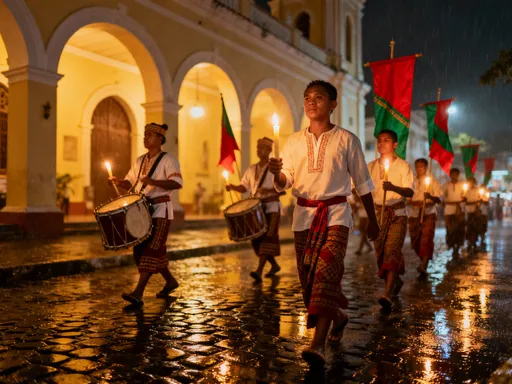
The Festa do Senhor Santo Cristo dos Milagres, held annually in May, draws thousands from across the country to Dili’s Immaculate Conception Cathedral. The centerpiece of the celebration is a revered wooden statue of Christ, believed by many to possess miraculous powers. Processions wind through the city streets, led by priests and accompanied by chanting congregations. Devotees walk barefoot, carry candles, or wear sashes inscribed with prayers. The atmosphere is one of solemn reverence, yet also of hope and gratitude. For many Timorese, this festival is not just religious observance—it is an act of healing, a way to honor loved ones lost during the years of struggle, and a plea for continued peace and prosperity.
Independence Day, celebrated on May 20, stands in powerful contrast as a moment of national jubilation. Marking the day in 2002 when Timor-Leste officially became a sovereign nation, this festival is filled with flag-raising ceremonies, school performances, military parades, and community feasts. Children wear red and black—colors of the national flag—while elders share stories of resistance and sacrifice. Music fills the air, from traditional drumming to modern anthems sung in Tetum and Portuguese. Unlike the introspective tone of religious festivals, Independence Day is outward-facing: a declaration of freedom, unity, and pride. It is a day when the entire nation pauses to reflect on how far it has come—and to celebrate the hard-won right to self-determination.
All Saints’ Day, observed on November 1, blends Catholic tradition with local customs in a uniquely Timorese way. Families travel to cemeteries to clean graves, place flowers, and light candles for the departed. But rather than a somber occasion, it becomes a gathering of remembrance and continuity. People sit beside tombs, sharing meals and stories, reinforcing the belief that ancestors remain part of daily life. This fusion of Catholic ritual with animist worldview—where the spiritual and physical worlds are deeply connected—illustrates how Timorese culture resists rigid categorization. These festivals are not isolated events; they are threads in a larger narrative of endurance, faith, and belonging.
What ties these celebrations together is their foundation in community. Unlike Western festivals often driven by consumerism or tourism, Dili’s events are organized and sustained by families, churches, and neighborhood groups. There is little reliance on government funding or corporate sponsorship. Instead, people contribute time, food, and handmade decorations out of devotion and duty. This grassroots nature ensures authenticity and deep emotional resonance. For visitors, recognizing this context is essential: these are not shows, but sacred moments of collective expression. To participate, even as an observer, is to be invited into something profoundly personal and communal.
The Streets Come Alive: A Sensory Journey Through Festival Days
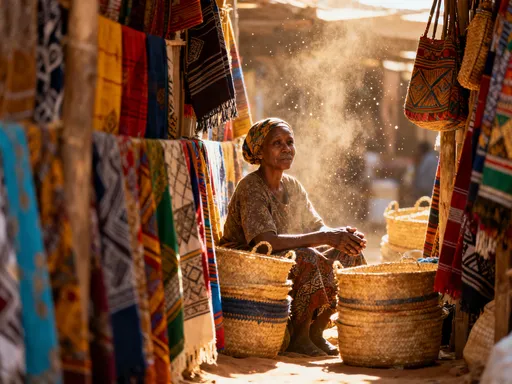
To walk through Dili during festival season is to step into a living painting—a dynamic mosaic of sound, color, scent, and movement. The city awakens before dawn, with streets slowly filling with people preparing for processions. Homes display flags and banners made from tais, the handwoven fabric that is both art and identity. Each pattern tells a story—of clan, region, or spiritual belief—passed down through generations of women weavers. As sunlight spreads across the waterfront, the first drumbeats echo from neighborhood chapels, calling people to gather.
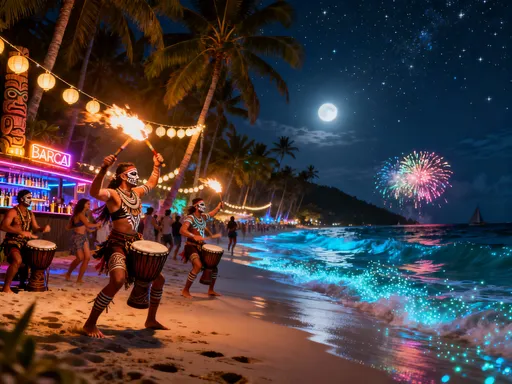
Sound defines the festival experience in Dili. The deep, resonant pulse of tibar drums rolls through the air like distant thunder. Bamboo flutes add a melodic layer, while church bells ring in unison across the city. Children clap and sing as they walk in school groups, their voices rising above the hum of conversation. Even the traffic seems to pause, yielding to the rhythm of celebration. There is no amplification, no electronic music—just organic, human-made sound that connects every participant to the moment. It is impossible to remain detached; the vibrations seem to enter your chest, syncing your heartbeat with the city’s.
Visually, the festivals are a feast. Men, women, and children wear their finest traditional clothing—brightly colored skirts, embroidered shirts, and headpieces adorned with beads or feathers. Tais fabric is draped over shoulders, tied around waists, or used as banners above streets. Hand-painted signs with messages of peace, faith, and national pride line the sidewalks. As evening falls, candlelit processions begin, winding through the city like rivers of light. The glow reflects off faces—old and young—each carrying a flame as both offering and symbol of hope. In these moments, Dili feels transformed, not by grand architecture or modern spectacle, but by the sheer force of collective emotion.
The senses are further awakened by the aromas and tastes that fill the air. Along the Avenida Nicolau Lobato, the main boulevard, roadside grills send up plumes of smoke carrying the scent of tukir—grilled corn brushed with chili and lime. Vendors serve kafé Timór, the rich local coffee grown in the highlands, brewed strong and sweet. Stews simmer in large pots—beef with taro, chicken with pumpkin, all spiced with native herbs. Families share meals on mats beside the road, inviting strangers to join. This generosity is not performative; it is cultural. Food is not just sustenance—it is hospitality, a way of saying, “You are welcome here.”
For visitors, this sensory immersion is both exhilarating and humbling. There are no barriers between performer and audience, no designated viewing zones. You are not watching a festival—you are inside it. Children may hand you a candle, an elder may offer a cup of coffee, a group may invite you to walk with them. These small gestures are not staged for tourists; they arise from genuine openness. To experience Dili’s festivals is to be reminded that joy, when shared, becomes something greater than the sum of its parts.
Where to Be and When: Timing Your Visit for Maximum Impact
For travelers seeking an authentic cultural experience, timing is everything. The most vibrant festival season in Dili unfolds between late May and November, with key events offering distinct atmospheres and levels of participation. Late May brings the convergence of the Festa do Senhor Santo Cristo dos Milagres and Independence Day, making it one of the most emotionally rich times to visit. The city is alive with both spiritual devotion and national celebration, offering a rare glimpse into the dual pillars of Timorese identity: faith and freedom.
October marks the Cristo Rei celebrations, centered around the iconic statue on a hill overlooking the city. Pilgrims hike the path barefoot or in groups, singing hymns along the way. The view from the top—Dili spread below, the sea beyond—is breathtaking, but the true power lies in the shared experience. This event tends to draw more domestic visitors than international tourists, preserving its authenticity. Those who attend should be prepared for early mornings, large crowds, and limited seating, but the spiritual atmosphere makes it well worth the effort.
November’s All Saints’ Day offers a quieter, more reflective experience. While less festive in the conventional sense, it provides deep insight into family and ancestral values. Cemeteries become places of gathering rather than mourning, filled with flowers, food, and conversation. For travelers interested in cultural depth over spectacle, this is an ideal time to visit. The pace is slower, interactions more intimate, and the opportunity to engage with local families more accessible.
Planning ahead is crucial. Accommodations in Dili are limited, and during major festivals, guesthouses and small hotels fill quickly. Booking at least two to three months in advance is advisable, especially for May and October. While luxury options are scarce, family-run lodgings offer warm hospitality and firsthand cultural exchange. Transportation within the city remains accessible via motorbike taxis or walking, but road closures during processions may affect routes. Renting a car with a local driver is recommended for flexibility and insight.
Equally important is awareness of political sensitivities. While Timor-Leste is generally peaceful, certain dates related to historical events may carry emotional weight. Avoiding visits during politically charged anniversaries, even if unintentional, shows respect for local context. Travelers should also note that festival dates sometimes shift slightly based on the liturgical calendar, so verifying schedules with local churches or cultural centers upon arrival is wise. Ultimately, the best time to visit is when you are ready to listen, observe, and participate with humility.
How to Experience Festivals Respectfully (Without Being “That Tourist”)
Respect is the cornerstone of meaningful cultural travel, especially in a place where traditions are deeply personal and spiritually significant. In Dili, festivals are not performances—they are acts of faith, memory, and community. Approaching them with curiosity is welcome; treating them as photo opportunities is not. The difference lies in intention. Travelers who seek connection rather than consumption are the ones who leave with more than memories—they leave with understanding.
Dressing appropriately is one of the simplest yet most important ways to show respect. During religious festivals, modest clothing is expected—shoulders covered, skirts or pants that reach the knees. Bright colors are welcome, especially those reflecting national or religious symbols, but flashy or revealing attire is out of place. Wearing a piece of tais fabric, if offered, is an honor—not a costume. It signifies inclusion, not appropriation.
Photography requires particular sensitivity. While capturing moments may be tempting, always ask before taking photos of individuals, especially during prayer or procession. Some families may decline, and that must be honored without question. Avoid using flash during candlelit ceremonies, and never block pathways for a better shot. A better approach is to put the camera down and simply be present. Some of the most powerful experiences happen in silence, in shared glances, in the warmth of a smile offered across cultures.
Language also matters. Learning a few basic phrases in Tetum—such as *bom dia* (good morning), *obrigadu* (thank you), or *boas festas* (happy holidays)—goes a long way. Locals appreciate the effort, and it opens doors to conversation. Simple gestures, like accepting a cup of coffee or joining a circle dance when invited, build trust far more than any guidebook tip ever could.
Finally, support local economies directly. Buy tais fabric from weavers, eat at family-run food stalls, and hire local guides rather than foreign-operated tour companies. These choices ensure that tourism benefits the community, not just outsiders. More than that, they create space for real connection—between traveler and host, between guest and friend. When festivals end and the streets return to quiet, these relationships remain, quietly strengthening the cultural fabric that makes Dili so special.
Beyond Dili: How Festival Culture Spreads Across the Highlands
While Dili offers a concentrated festival experience, the cultural heartbeat of Timor-Leste pulses strongly in its highland towns and villages. Places like Manatuto, Baucau, and Liquiçá host their own versions of religious and national celebrations, often with unique local flavors. In these communities, festivals tend to be smaller, more intimate, and deeply rooted in agricultural cycles and ancestral customs. The music may differ—featuring more gong ensembles or vocal chants—while rituals often include offerings to the land or spirits of the mountain.
The scale may be reduced, but the emotional intensity is no less. In rural areas, festivals are not just annual events—they are essential to social cohesion. Entire villages participate, from elders who lead prayers to children who practice dances for weeks in advance. The sense of ownership is palpable; every detail, from the arrangement of flowers to the sequence of songs, is decided collectively. For travelers willing to venture beyond the capital, these celebrations offer an even deeper level of immersion.
Responsible cultural tourism in the highlands requires preparation. Roads can be rough, especially during the rainy season, and public transport is infrequent. Traveling with a local guide not only ensures safety but also facilitates introductions and understanding. Staying in community guesthouses or homestays allows visitors to experience daily life firsthand, sharing meals and stories with hosts. Such experiences foster mutual respect and leave lasting impressions on both sides.
Yet even in remote areas, change is present. Younger generations are increasingly drawn to urban centers or overseas work, and some traditional practices face decline. Language shift—from Tetum or local dialects to Portuguese or English—is another subtle pressure. In this context, mindful tourism becomes a quiet act of preservation. When visitors engage with respect, stay curious, and support local efforts, they help sustain traditions that might otherwise fade. Festivals in the highlands are not relics—they are living practices, adapting while holding fast to core values.
Why This Matters: Preserving Culture in a Changing World
In an era of rapid globalization, where homogenization threatens local identities, the festivals of Dili and beyond stand as acts of resistance and resilience. They are not static reenactments of the past, but dynamic expressions of who the Timorese people are today. Each procession, each drumbeat, each shared meal is a declaration: we remember, we believe, we belong. For a nation that has fought so hard for sovereignty, culture is not a luxury—it is a necessity.
Yet these traditions face real challenges. Urbanization, economic pressures, and the allure of modern life pull younger generations away from rural roots. Some festivals struggle with dwindling participation or lack of resources. The transmission of knowledge—such as tais weaving patterns or ritual chants—is at risk when elders pass without apprentices. Language erosion further complicates preservation, as younger people may not fully grasp the meanings behind ancient phrases or prayers.
This is where mindful travelers can make a difference. By visiting with respect, supporting local artisans, and sharing stories ethically, tourists become allies in cultural sustainability. A purchase of handwoven tais supports a grandmother’s livelihood and encourages her granddaughter to learn the craft. A photo shared with context—not spectacle—helps the world see Timor-Leste not as a forgotten island, but as a nation with a vibrant soul. These small actions, multiplied, create ripples.
Festivals are not just for watching. They are for feeling—the heat of the sun on your skin as you walk in procession, the taste of shared food, the sound of voices rising together. They are for remembering that culture is not something you consume, but something you enter. In Dili, during festival season, the veil between observer and participant thins. You are not just a guest—you are welcomed, included, and changed.
So if you ever find yourself in East Timor, do not rush to the beach or the trailhead. Stay for the festival. Let the drums move you, the candles guide you, the people embrace you. Because in those moments, you are not just traveling—you are connecting. And that is the true heart of journeying: not to see the world, but to feel it, deeply and honestly, one shared celebration at a time.