You Won’t Believe These Wild Landscapes Hiding in Edinburgh
Edinburgh isn’t just about castles and cobbled streets—trust me, the real magic lies in its wild, untamed nature. I was blown away by how much raw beauty hides just beyond the city buzz. From misty hilltops to silent volcanic peaks, Edinburgh’s natural landscapes are absolutely mind-blowing. This isn’t your typical tourist checklist—it’s real, grounding, and totally accessible. Whether you’re escaping the museum crowds or craving a moment of peace, these green sanctuaries offer something deeper: a chance to breathe, reflect, and see the city from a whole new perspective. Let me show you why stepping into these natural escapes might just be the best decision of your trip.
The Surprising Wild Side of a Historic City
When most people think of Edinburgh, images of the imposing Edinburgh Castle, the elegant Royal Mile, and Georgian architecture come to mind. Yet beneath its polished historical surface, the city pulses with untamed natural energy. Few capitals in the world are built so dramatically upon ancient geological forces, where urban life thrives in the shadow of extinct volcanoes and glacial scars. Edinburgh’s unique topography is the result of powerful natural events—volcanic eruptions over 300 million years ago and the slow sculpting of ice during the last Ice Age. These forces left behind a dramatic cityscape where stone buildings climb steep slopes and green hills rise abruptly from residential neighborhoods.
What makes Edinburgh extraordinary is how seamlessly it integrates wilderness into daily life. Unlike cities that push nature to the outskirts, Edinburgh embraces it at its core. Holyrood Park, a 650-acre expanse of moorland and rock formations, sits just a ten-minute walk from the Scottish Parliament. Blackford Hill and the Hermitage of Braid are nestled within quiet residential zones, offering woodland trails minutes from supermarkets and schools. This blend of urban and wild is not accidental—it’s part of the city’s identity. Locals don’t just visit nature; they live with it, walk through it, and cherish it as part of their well-being.
For visitors, this means extraordinary access to natural beauty without needing a car or hiking permit. You can enjoy a morning coffee in a city café and be standing atop a volcanic ridge by noon. The city’s green spaces are well-maintained, clearly marked, and open to all, reflecting a deep cultural value placed on public access to nature. Parks like Princes Street Gardens provide manicured lawns and floral displays, while areas like the Water of Leith walkway offer a more natural, flowing experience along a historic river. Whether you're drawn to panoramic views, quiet woods, or coastal paths, Edinburgh delivers a surprising depth of outdoor experiences that rival its cultural offerings.
Arthur’s Seat: Hiking the Heart of an Extinct Volcano
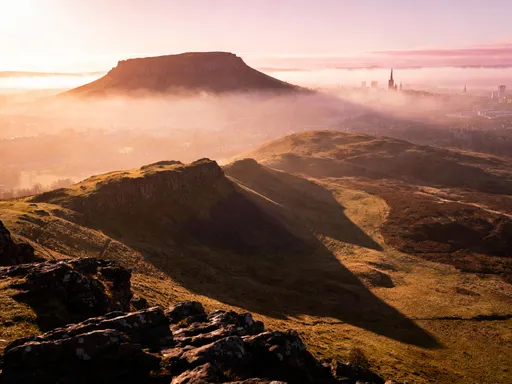
No visit to Edinburgh’s natural landscape is complete without climbing Arthur’s Seat. Rising 251 meters above sea level, this volcanic hill dominates Holyrood Park and offers one of the most rewarding urban hikes in Europe. The climb itself is moderate—suitable for most fitness levels—but rugged enough to feel like a real adventure. There are several paths to the summit, each offering different challenges and views. The most popular route starts near the Palace of Holyroodhouse, winding through grassy slopes and over rocky outcrops. As you ascend, the city unfolds below: red-roofed buildings, church spires, and the shimmering waters of the Firth of Forth stretch into the distance.
Reaching the summit brings a sense of quiet triumph. On clear days, the panorama includes the Pentland Hills to the south, the distant peaks of the Highlands, and the islands of the Firth of Forth. But the real magic happens at sunrise or sunset, when the sky glows in shades of pink and gold, casting long shadows across the park. Many locals time their hikes to catch these moments, finding peace and perspective in the stillness. It’s not uncommon to see couples sharing a thermos of tea or solo travelers sitting in quiet reflection at the top—proof that this place offers more than just views.
Safety and preparation are key, though. Weather in Edinburgh can shift quickly, even in summer. A sunny morning can turn into a misty, windy afternoon, so hikers should dress in layers and bring waterproof gear. Sturdy footwear is essential—the paths can be slippery, especially after rain. While the hike typically takes 1.5 to 2 hours round-trip, it’s wise to allow extra time, especially if you plan to explore nearby features like Salisbury Crags, a dramatic cliff face popular with rock climbers. Dogs are welcome but should be kept on a leash near sheep or nesting birds.
For families, the hike is manageable with older children, though the steeper sections may be challenging for very young ones. There are no facilities on the hill, so bring water and snacks. Despite its popularity, Arthur’s Seat never feels overcrowded—its vastness allows visitors to find solitude even on busy weekends. Whether you’re seeking physical challenge, photographic opportunities, or a moment of escape, this volcanic peak delivers an unforgettable experience that connects you to the ancient forces that shaped the city.
Calton Hill: A Shortcut to Breathtaking Vistas
If Arthur’s Seat feels too ambitious, Calton Hill offers a more accessible yet equally impressive alternative. Located just a short walk east of Princes Street, this UNESCO World Heritage site rises gently from the city center, making it ideal for travelers with limited time or mobility. The climb takes only 10 to 15 minutes, yet the reward is a sweeping 360-degree view of Edinburgh’s skyline. From here, you can see the castle to the west, the modern Scottish Parliament to the east, and the endless stretch of the Firth of Forth beyond.
What sets Calton Hill apart is its unique blend of nature and neoclassical architecture. The summit is dotted with monuments, including the unfinished National Monument—a striking tribute to the Parthenon that adds a sense of grandeur to the landscape. The Dugald Stewart Monument, a circular Greek-style memorial, stands proudly on a rocky outcrop, often photographed against dramatic skies. These structures don’t overpower the natural setting; instead, they enhance it, creating a harmonious dialogue between human ambition and the enduring presence of the earth.
Because of its ease of access, Calton Hill is popular with photographers, couples, and casual walkers. Sunrise and sunset are particularly magical times, when the golden light bathes the city in warmth and the skyline glows against the fading sky. Arriving early in the morning not only ensures better lighting for photos but also avoids the midday crowds. Unlike Arthur’s Seat, Calton Hill has no marked trails—visitors follow well-trodden grassy paths to the top, making navigation simple.
While the hill lacks formal facilities, it’s surrounded by cafes and public transport links, making it easy to combine with other city activities. It’s also a favorite spot for locals during festivals, especially on Beltane Eve and the summer solstice, when small gatherings celebrate the changing seasons. For visitors looking to experience Edinburgh’s natural beauty without a long hike, Calton Hill proves that even a short walk can deliver a powerful sense of elevation—both literal and emotional.
The Secret Beauty of Blackford Hill and the Hermitage of Braid
For those seeking a quieter, more introspective experience, the Blackford Hill and Hermitage of Braid nature reserve offers a peaceful retreat in the city’s south. Less crowded than the central hills, this green corridor feels like a hidden world, where tall trees, winding paths, and the occasional sighting of wildlife create a sense of discovery. Managed by the City of Edinburgh Council, the area spans over 100 acres and includes ancient woodland, open grassland, and a small loch that attracts ducks, swans, and kingfishers.
The main path up Blackford Hill is well-paved and suitable for walkers of all ages. At the summit, an old stone observatory—once used for astronomical research—stands as a quiet landmark, now repurposed as a shelter with panoramic views. On clear days, you can see across the city to the Firth of Forth and even catch a glimpse of Fidra, the island that inspired Robert Louis Stevenson’s *Treasure Island*. The hill is especially popular with dog walkers and birdwatchers, who come to enjoy the relative solitude and rich biodiversity.
Adjacent to Blackford Hill, the Hermitage of Braid is a wooded valley with a gentle stream and shaded footpaths. The name, derived from an 18th-century estate, evokes a sense of seclusion and history. Walking through this area feels like stepping into a storybook—moss-covered stones, towering beech trees, and dappled sunlight create a tranquil atmosphere. The original Hermitage House still stands, now serving as a small cultural center and café where visitors can warm up with a cup of tea after a walk.
What makes this area special is its accessibility without sacrificing serenity. Parking is available nearby, and several bus routes stop within a five-minute walk. The trails are clearly marked, and the terrain is generally flat or gently sloping, making it ideal for families, older adults, or anyone looking for a relaxed nature experience. Unlike more tourist-heavy spots, this reserve feels like a local secret—a place where Edinburgh residents come to recharge, read a book under a tree, or simply listen to the wind in the leaves.
Waterfront Escapes: Exploring the Shore and Inverleith Park
Edinburgh’s relationship with water is often overlooked, yet the city is cradled by rivers, coastal inlets, and historic harbors. The Firth of Forth, a vast estuary to the north, provides a dramatic backdrop for waterfront walks, while the Water of Leith, a gentle river flowing through the city, offers a quieter, more intimate connection to nature. One of the most pleasant ways to experience this aquatic side is by walking the path from Stockbridge to Leith, passing through Dean Village—a picturesque 18th-century milling settlement tucked into a riverside gorge.
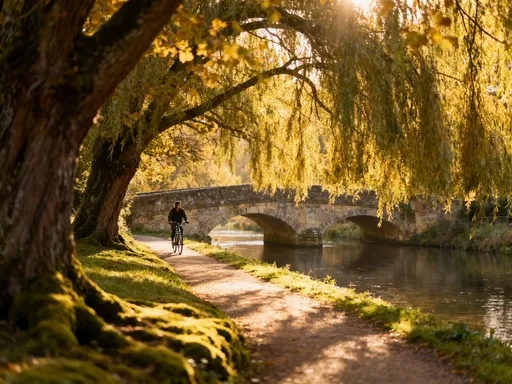
Dean Village is a hidden gem, where stone bridges, ivy-covered cottages, and the murmur of flowing water create a fairy-tale atmosphere. The path along the Water of Leith is flat and well-maintained, making it perfect for strollers, cyclists, and casual walkers. Interpretive signs along the route share stories of the river’s industrial past and its importance to the city’s development. Birdlife is abundant—herons, kingfishers, and dippers can often be spotted near the water’s edge.
Further north, the Shore area in Leith offers a coastal experience with a village-like charm. Once a bustling port, it’s now a vibrant neighborhood with seafood restaurants, boutique shops, and a scenic promenade along the Firth of Forth. Walking the Leith Walkway, you can watch sailboats bobbing in the harbor, spot seabirds wheeling overhead, and feel the fresh sea breeze on your face. It’s a refreshing contrast to the stone-heavy atmosphere of the Old Town.
For a more structured green space, Inverleith Park offers a blend of formal gardens and open fields. Located near the Royal Botanic Garden, it features wide lawns, a children’s playground, and a popular café. The park is ideal for picnics, family outings, or a leisurely game of frisbee. In spring, the cherry blossoms bloom spectacularly, drawing locals for quiet contemplation beneath the pink canopies. These waterfront and park spaces remind visitors that Edinburgh is not just a city of stone, but one shaped by water, wind, and the enduring presence of nature.
How to Plan Your Nature Walks Like a Local
To make the most of Edinburgh’s natural offerings, a little planning goes a long way. The best times to visit are spring (April to June) and autumn (September to October), when the weather is mild, crowds are smaller, and the light is soft and golden. Summer can be busy, especially during the Edinburgh Festival, while winter days are short and some paths may be icy—though a frosty morning walk can be stunning if you’re properly dressed.
Layering is essential. Even on sunny days, the wind can be sharp, especially on elevated spots like Arthur’s Seat or Calton Hill. A moisture-wicking base layer, a warm mid-layer like fleece, and a waterproof outer shell will keep you comfortable. Sturdy walking shoes or boots are recommended, particularly for off-pavement trails. Don’t forget a hat and gloves, even in summer—conditions change quickly.
Public transport in Edinburgh is excellent, with frequent buses serving major trailheads. The Lothian Buses network covers routes to Holyrood Park, Blackford Hill, and Leith, making car rental unnecessary. For coastal walks, the train from Waverley Station to North Berwick or South Queensferry offers scenic views and easy access to extended trails. Free city maps are available at tourist centers, and apps like OS Maps or AllTrails can be downloaded in advance for offline use, ensuring you stay on track without relying on data.
Always check the weather forecast before heading out, and let someone know your plans if you’re hiking alone. While Edinburgh’s trails are safe and well-marked, it’s wise to carry a small backpack with water, snacks, a phone, and a basic first-aid kit. Respect the environment by staying on designated paths, keeping dogs under control, and taking all litter with you. By planning thoughtfully, you can enjoy these natural spaces safely and sustainably, just like the locals do.
Why Nature is the Soul of Edinburgh’s Charm
At first glance, Edinburgh’s castles, museums, and festivals may seem like its defining features. But spend a few hours walking its hills, forests, and riversides, and you’ll realize that nature is the quiet heartbeat of the city. These landscapes do more than provide scenic backdrops—they offer a space for reflection, renewal, and connection. In a world that often feels rushed and digital, a walk through Holyrood Park or along the Water of Leith grounds you in the present moment.
There’s a deep cultural respect in Scotland for the outdoors, captured in the saying “there’s no bad weather, only bad clothing.” This mindset encourages people of all ages to embrace nature year-round, finding joy in misty mornings, crisp winter walks, and golden autumn afternoons. For visitors, adopting this attitude can transform a trip from a checklist of sights to a meaningful experience of place.
Moreover, spending time in nature has proven benefits for mental and physical health—reducing stress, improving mood, and increasing energy levels. In Edinburgh, these benefits are within easy reach. You don’t need to travel far or spend money to feel the wind on your face or hear the call of a curlew over the moor. These moments of stillness are not distractions from your trip; they are its essence.
As you explore Edinburgh, remember that the city’s true character isn’t just in its history, but in the way it lives alongside nature. The volcanic hills, the flowing rivers, the coastal breezes—they’re not side attractions. They’re the soul of the city. So step off the cobbled streets, lace up your walking shoes, and let the wild landscapes of Edinburgh surprise you. Move mindfully, leave no trace, and carry the quiet strength of these places with you long after you’ve left. Because sometimes, the most unforgettable part of a journey isn’t what you see—but how you feel.