Swamplands and Surprises: What No One Tells You About New Orleans’ Natural Side
You know what? Everyone raves about the jazz, beignets, and haunted history of New Orleans—but nobody talks about the wild, muddy, breathtaking nature hiding just beyond the French Quarter. I didn’t expect to fall in love with cypress swamps or nearly get lost in a foggy bayou at sunset. This city’s natural scenery is mind-blowing, but full of surprises you gotta prepare for. From misleading tour claims to soggy footwear fails—let’s talk about what *really* waits in the wilds of Louisiana. It’s not just about spotting an alligator or snapping a photo of Spanish moss. It’s about stepping into a living, breathing ecosystem that pulses with quiet energy, where every rustle in the reeds could be a heron, a nutria, or something far more mysterious. And once you’ve felt the cool mist rise off the water as the sun dips below the cypress canopy, you’ll understand: this is where the soul of the region truly lives.
Beyond the Bourbon: Discovering New Orleans’ Hidden Natural World
Most travelers never venture far from the French Quarter’s cobblestone streets, jazz-filled courtyards, and café-au-lait-sipping patios. And while those experiences are iconic, they only tell half the story of New Orleans. The other half unfolds in the sprawling wetlands, slow-moving bayous, and dense hardwood forests that cradle the city like a green, watery embrace. These ecosystems—part of the Mississippi River Delta—are among the most biologically rich in North America. They are home to over 300 species of birds, dozens of reptiles and amphibians, and a complex web of plant life that thrives in the delicate balance between saltwater and freshwater.
The magic of this natural world lies in its untamed character. Unlike manicured city parks or groomed hiking trails, the Louisiana wetlands are raw, dynamic, and ever-changing. One day, a patch of swamp may be still and glassy, reflecting the sky like a mirror. The next, it might churn with wind and rain, sending ripples through the sawgrass and sending egrets flapping for cover. Spanish moss drapes from ancient live oaks like tattered lace, and cypress trees rise from the water on gnarled knees, their roots submerged in the dark, tannin-rich water. The air hums with dragonflies, frogs croak in rhythmic chorus, and somewhere in the distance, an alligator slips beneath the surface with a quiet splash.
For those willing to step beyond the tourist trail, this environment offers a deeper, more intimate connection to the region’s essence. It’s not just about seeing nature—it’s about feeling it. The damp air on your skin, the scent of wet earth and decaying leaves, the sudden stillness that falls when a bird calls from the trees—these are the moments that stay with you. Travelers who limit themselves to the city streets miss a fundamental truth: New Orleans is not just a cultural capital. It is a city born of water, shaped by the river, the gulf, and the vast, whispering swamps that surround it. To understand the place fully, you must go where the pavement ends and the wild begins.
The Allure of the Bayou: Why Natural Scenery Keeps Calling Me Back
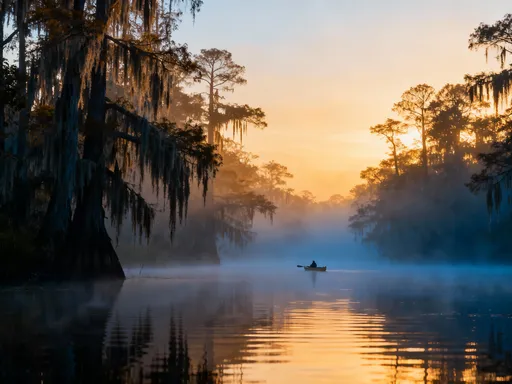
It started with a single kayaking trip into the Barataria-Terrebonne basin, a vast network of marshes and bayous southwest of New Orleans. I went expecting a scenic paddle and maybe a glimpse of an alligator. What I found was something far more profound—a sense of peace I hadn’t realized I was missing. As the city noise faded behind me and the water stretched out in every direction, I felt the weight of daily life lift. The only sounds were the dip of my paddle, the rustle of reeds, and the occasional splash of a fish breaking the surface. A great blue heron lifted off from the bank, its wings wide and slow, vanishing into the mist.
Since then, I’ve returned again and again, drawn by the quiet rhythm of the bayou. There’s something almost primal about being on these waters—about floating through a landscape that has changed little in centuries. At sunrise, the fog clings to the surface like smoke, turning the cypress trees into silhouettes. At dusk, the light turns golden, filtering through the moss and casting long shadows across the water. On one trip, I glided past a cluster of orchids blooming on a cypress knee, delicate and unexpected. On another, I watched a mother otter teach her pups to swim, their sleek bodies darting through the reeds.
What keeps me coming back isn’t just the wildlife or the scenery—it’s the sense of disconnection from the modern world. Here, there’s no Wi-Fi, no traffic, no deadlines. There’s only the present moment: the feel of the breeze, the sound of the water, the awareness that you are a guest in a world that operates on its own terms. This isn’t nature as a backdrop; it’s nature as a living presence. And yet, for all its beauty, this environment demands respect. The same stillness that brings peace can quickly turn challenging when the weather shifts or the insects descend. The allure is real—but so are the realities of venturing into such a dynamic ecosystem.
Pitfall #1: Choosing the Wrong Tour—When “Wilderness” Feels Like a Theme Park
One of the biggest surprises for first-time visitors is how different swamp experiences can be—depending on who’s guiding them. Many arrive expecting an immersive journey into the wild, only to find themselves on a loud, crowded airboat zipping through narrow channels with a dozen other tourists. The narration is often canned, the wildlife sightings predictable, and the sense of authenticity thin. Some operators market their tours as “untamed adventures,” but in reality, they follow the same well-worn routes, stopping at the same gator-feeding spots where reptiles have learned to associate boat engines with food.
These commercialized tours aren’t inherently bad—they can be fun, especially for families or those short on time—but they rarely deliver the deep connection to nature that many travelers seek. The problem isn’t just the lack of authenticity; it’s the impact on the environment. High-speed airboats can disturb nesting birds, erode banks, and stress wildlife. When too many boats crowd the same area, the cumulative effect can degrade the very ecosystems they claim to showcase.
To avoid this pitfall, travelers should research operators carefully. Look for those with eco-certifications or affiliations with conservation organizations. Small-group tours led by naturalist guides tend to offer richer, more educational experiences. Kayak and paddleboard excursions, though slower, allow for quieter observation and less environmental disruption. Avoid one-hour “quick dip” tours; instead, opt for half-day or full-day outings that allow time to truly settle into the landscape. The goal should be immersion, not spectacle. When you choose a tour that prioritizes respect for the environment over speed and showmanship, you’re not just seeing the swamp—you’re beginning to understand it.
Pitfall #2: Underestimating the Environment—Heat, Bugs, and Hidden Hazards
The Louisiana wetlands are not a gentle landscape. They are humid, unpredictable, and alive in ways that can catch the unprepared off guard. Summer temperatures often exceed 90°F (32°C), with humidity levels above 80%, making even short walks feel exhausting. And then there are the mosquitoes—dense, persistent swarms that emerge at dawn and dusk, drawn to warmth and movement. Without proper protection, a peaceful paddle can quickly become a battle against biting insects.
Footwear is another common mistake. Many visitors wear sneakers or cotton socks, not realizing how quickly they absorb water and mud. Within minutes, damp shoes become heavy, uncomfortable, and prone to causing blisters. The better choice is waterproof boots or closed-toe water shoes with good grip, especially when stepping onto slippery banks or boardwalks. Clothing should be lightweight, quick-drying, and preferably light in color to reflect heat. Long sleeves and pants made of breathable fabric offer protection from both sun and bugs.
Insect repellent with DEET or picaridin is essential, as is a hat with a brim and polarized sunglasses to reduce glare on the water. Sunscreen should be applied early and often. Beyond the physical discomforts, there are real safety considerations. Alligators are generally shy, but they are powerful animals and should never be approached or fed. Snakes, including venomous species like cottonmouths, are present in the wetlands—stay on marked paths and avoid reaching into unseen areas. Water levels can change rapidly after rain, turning shallow areas into deep channels. Always check local conditions before heading out, and never venture into unfamiliar territory alone. Preparation isn’t about fear—it’s about respect. When you come ready, you’re free to enjoy the beauty without being overwhelmed by the challenges.
Pitfall #3: Missing the Quiet Magic—Chasing Gators and Overlooking the Rest
It’s easy to understand the fascination with alligators. They’re impressive, prehistoric-looking creatures that capture the imagination. But when visitors fixate solely on spotting gators, they often miss the subtler, equally captivating elements of the swamp. The real magic of the wetlands isn’t always in the dramatic moments—it’s in the quiet details. It’s the flash of a kingfisher diving for prey, the delicate unfurling of a spider lily, or the way morning light turns the fog into a golden haze.
Too many tourists rush from one gator sighting to the next, cameras ready, voices loud. In doing so, they scare away the very wildlife they came to see. Birds take flight, turtles slip into the water, and the natural rhythm of the swamp is disrupted. A more rewarding approach is to slow down, be still, and observe. Bring binoculars, a field guide, or even a simple notebook to record what you see. Listen to the layers of sound—the croak of a bullfrog, the buzz of cicadas, the distant call of a red-shouldered hawk.
Take time to notice the plants: the resurrection fern that curls up when dry and unfurls with rain, the air plants clinging to tree branches, the cypress knees rising like sentinels from the water. These features aren’t just background scenery—they’re vital parts of the ecosystem. By shifting from “sightseeing” to “experiencing,” travelers gain a deeper appreciation for the complexity and resilience of this environment. The swamp isn’t a zoo or a show; it’s a living community. When you move through it with patience and awareness, you become part of its story, not just a spectator.
Best Times and Places: Where to Go for Authentic Natural Encounters
For those seeking genuine, low-impact experiences, several locations near New Orleans offer exceptional access to the region’s natural beauty. Jean Lafitte National Historical Park and Preserve is one of the most accessible and well-managed options. Its six sites include the Barataria Preserve, where boardwalks and trails wind through marshes and forests, allowing visitors to explore safely and quietly. Early morning visits are ideal, when the light is soft and wildlife is most active. Birdwatchers can spot prothonotary warblers, swallow-tailed kites, and great egrets, while photographers will find endless compositions in the reflections and textures of the swamp.
Honey Island Swamp, located about 50 miles north of the city, is another excellent destination. Known for its pristine cypress forests and diverse wildlife, it’s best explored with a reputable eco-tour operator. Unlike some commercial tours, certain guides here emphasize education and conservation, offering small-group paddles that move slowly and quietly through the waterways. The swamp is also home to the elusive Louisiana black bear, though sightings are rare and should never be expected.
Bayou Sauvage National Wildlife Refuge, situated within city limits, is a surprising gem. As one of the largest urban refuges in the U.S., it provides critical habitat for migratory birds and native species. Canoe and kayak trails allow visitors to glide through its quiet waters, especially beautiful at sunrise. The best times to visit are during the cooler months—late fall, winter, and early spring—when temperatures are milder and insects less aggressive. Avoid midday heat and plan trips around tide and water levels for the smoothest experience. Whether you’re a seasoned naturalist or a curious beginner, these locations offer authentic, sustainable ways to connect with Louisiana’s wild side.
Protecting the Wild: How Visitors Can Help Preserve What Makes It Special
The beauty of New Orleans’ natural landscapes is not guaranteed. These wetlands are under constant pressure from coastal erosion, pollution, and climate change. Every year, Louisiana loses acres of coastal land to rising sea levels and sinking soil. In this fragile context, responsible tourism isn’t just a suggestion—it’s a necessity. Every visitor has a role to play in protecting these ecosystems for future generations.
Simple actions make a difference. Following Leave No Trace principles—packing out all trash, staying on designated trails, avoiding loud noises—helps minimize human impact. Never feed wildlife, as it alters natural behaviors and can harm animals’ health. Choose tour operators who prioritize sustainability, employ local guides, and contribute to conservation efforts. Supporting organizations like the Barataria-Terrebonne National Estuary Program or the Louisiana Wildlife Federation helps fund vital restoration projects.
Perhaps most importantly, carry the experience forward. Share what you’ve learned—not just the photos of alligators, but the stories of the quiet moments, the delicate orchids, the misty mornings. When more people understand the value of these wetlands, they’re more likely to support their protection. The wild side of New Orleans isn’t just a place to visit. It’s a living, breathing part of the region’s identity—one that deserves care, respect, and awe. By stepping into it with intention, we don’t just discover nature. We become part of its preservation.