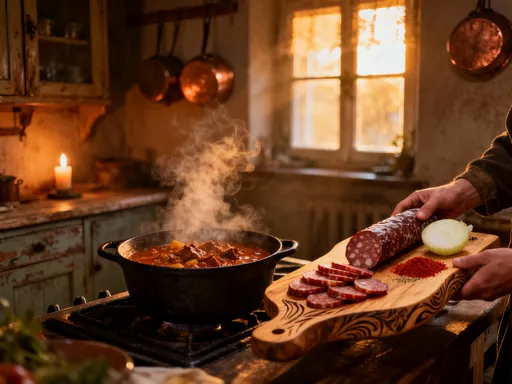
What Nobody Tells You About Eating in Debrecen
You’ve heard about Hungary’s rich culinary traditions—goulash, paprika, chimney cakes—but Debrecen? Most travelers overlook it, missing out on some of the country’s most authentic flavors. I went in expecting hearty meals and ended up facing real food pitfalls: confusing menus, tourist traps in plain sight, and dishes that sounded traditional but tasted nothing like home cooking. This isn’t just a food guide—it’s a reality check. Debrecen, Hungary’s second-largest city, carries a proud culinary legacy, yet many visitors walk away underwhelmed, not because the food lacks soul, but because they never truly tasted the real thing. This article peels back the layers of misconception, helping you navigate the city’s dining culture with confidence, curiosity, and a sharper palate.
First Impressions: Arriving in Debrecen with Big Food Expectations
Stepping off the train into Debrecen’s central station, the air carries a faint scent of wood smoke and frying onions—a promising start for any food traveler. Known for its vast Reformed Great Church, sprawling park, and status as an academic hub, the city also wears a quieter crown: that of Hungary’s sausage capital. Travelers familiar with Budapest’s bustling food scene arrive with certain expectations—warm, paprika-laden stews, flaky pastries, and bustling market halls brimming with local produce. But Debrecen does not shout its flavors. It whispers them. And that subtlety can be misleading.
The initial disappointment often stems from a mismatch between perception and reality. Many assume that because Debrecen is a major Hungarian city, its dining scene will mirror the curated authenticity found in capital hotspots. In truth, much of the city center’s restaurant offerings cater to university students, day-trippers, and tour groups, leading to a dilution of traditional preparation. Dishes are simplified, ingredients substituted, and presentation prioritized over depth of flavor. A tourist might order *pörkölt*, expecting the slow-cooked, rich meat stew simmered for hours, only to receive a thin, tomato-heavy version made in bulk and reheated.
Moreover, Debrecen’s culinary pride is deeply tied to its rural roots and seasonal rhythms—something guidebooks often overlook. Unlike Budapest, where international influences blend with tradition, Debrecen’s food culture remains more insular, more rooted in home kitchens than in high-profile restaurants. This means the most authentic meals are rarely found in the most visible places. The city rewards patience, curiosity, and a willingness to look beyond neon signs and laminated menus. Understanding this early sets the stage for a more rewarding experience—one that values discovery over convenience.
The Myth of "Traditional" Restaurants in the City Center
Wander around the area near the Reformed Great Church, and you’ll find no shortage of restaurants advertising “authentic Hungarian cuisine.” Red-and-white checkered tablecloths, folk music playing faintly from hidden speakers, and menus listing classics like goulash, stuffed cabbage, and chicken paprikash. At first glance, it feels like stepping into a postcard. But appearances can be deceiving. Many of these establishments are more performance than promise—designed to evoke tradition without delivering its substance.
The truth is, several city-center restaurants rely on pre-made sauces, frozen ingredients, and standardized recipes to meet the demands of high turnover. A dish like *paprikás csirke*, which should be a creamy, paprika-infused chicken stew served with handmade nokedli (dumplings), often arrives with a bland, powdery sauce and rubbery dumplings boiled from dried mix. The paprika—Hungary’s most prized spice—is sometimes old or of low quality, losing its signature warmth and depth. These kitchens prioritize speed and consistency over craftsmanship, leaving little room for the nuances that define true Hungarian comfort food.
Another red flag is the pricing structure. Authentic Hungarian meals, especially in a city like Debrecen, should be reasonably priced—typically between 2,500 and 5,000 HUF ($7–14 USD) for a main dish. When prices jump significantly higher in the tourist core, it’s often not because the ingredients are better, but because the location commands a premium. These restaurants bank on the assumption that visitors won’t know the difference—and for many, that assumption holds true.
The takeaway is not to dismiss all central eateries, but to approach them critically. A restaurant’s décor—no matter how folkloric—does not guarantee authenticity. Instead, look for signs of real kitchen activity: the smell of onions caramelizing, staff bringing in fresh bread from a nearby bakery, or handwritten daily specials on a chalkboard. These small details often reveal where tradition is still alive, not just staged.
Decoding the Menu: Where Language and Culture Create Confusion
For non-Hungarian speakers, navigating a Debrecen menu can feel like deciphering a culinary code. Hungarian is a Finno-Ugric language with few parallels to English, and food terms are often untranslatable or poorly translated. Words like *pörkölt*, *császármorzsa*, and *káposztás tőke* carry cultural weight that gets lost in literal translation. *Pörkölt*, for example, is frequently labeled as “goulash” on English menus, but it’s not the soup-like dish many expect—it’s a thicker, stewed meat dish without potatoes. This mislabeling leads to confusion and mismatched expectations.
One common pitfall is ordering what sounds like a familiar meat dish only to receive offal or organ meat. For instance, *disznótoros* refers to a pork feast, but specific items within it—like *disznósajt* (pork cheese, a spiced meat loaf) or *hócipó* (a sausage made with pig’s blood and barley)—might surprise unprepared diners. Similarly, *tejbegríz* sounds harmless enough (“milk rice”), but when served with a dollop of jam on top, it can feel unexpectedly sweet for a main course. These dishes are deeply traditional, but without context, they can feel alienating.
Language barriers also make it difficult to ask specific questions. Waitstaff may not speak fluent English, and even if they do, explaining dietary preferences—such as avoiding pork or requesting less spice—can be challenging. A simple nod or smile might be mistaken for understanding, leading to an unintended meal. This is where a few key Hungarian phrases become invaluable. Learning to say *“Ez mit tartalmaz?”* (“What does this contain?”) or *“Van benne hagyma?”* (“Does it contain onion?”) can prevent unpleasant surprises.
Another strategy is to ask locals for help. Hungarians, particularly older generations, take pride in their food culture and are often willing to guide respectful visitors. A polite question like *“Hol eszik jól egy helyi?”* (“Where does a local eat well?”) can open doors to hidden spots. The key is to approach with humility and genuine interest, not just transactional urgency. Food in Debrecen is not just sustenance—it’s memory, identity, and hospitality. Those who treat it as such are more likely to be welcomed into its deeper layers.
Debreceni Sausage: Hype vs. Reality
No discussion of Debrecen’s food culture is complete without addressing its most famous export: Debreceni kolbász. This paprika-seasoned smoked sausage holds Protected Geographical Indication (PGI) status within the European Union, meaning only sausages produced in the Debrecen region using traditional methods can bear the name. It’s a source of local pride, sold in markets, served in restaurants, and celebrated annually at the Debrecen Sausage Festival. But like any iconic food, its reputation has attracted imitation.
The real Debreceni kolbász is made from high-quality pork, seasoned generously with sweet and hot paprika, then naturally smoked over beech or oak wood. The result is a firm, deeply flavored sausage with a rich red hue and a slightly spicy kick. The casing should snap cleanly when bitten, and the interior should be moist but not greasy. Authentic versions are typically air-dried for several days, allowing the flavors to deepen and the texture to firm up.
Yet in tourist shops and central markets, mass-produced versions are common. These sausages are often made elsewhere, artificially colored, and smoked with liquid smoke rather than real wood. They may carry the name “Debreceni,” but they lack the complexity and care of the original. One way to spot the difference is by examining the texture: genuine kolbász has a coarse grind and visible flecks of paprika, while imitations are often too smooth or uniformly colored.
To find the real thing, seek out local butchers or farmers’ markets where producers sell directly. The Central Market Hall in Debrecen is a good starting point, but look for stalls with handwritten signs, older vendors, and a steady stream of locals. Ask to taste before buying—many artisans will offer a small sample. You can also visit nearby villages during harvest season, where families still make kolbász in backyard smokehouses. These small-batch versions are often the most flavorful and truest to tradition.
Hidden Gems: Finding Authentic Flavors Off the Beaten Path
The most memorable meals in Debrecen are rarely found on main streets or in guidebook highlights. They happen in quiet neighborhoods, family-run kitchens, and seasonal gatherings where food is made for love, not profit. Venture beyond the city center, into districts like Egyetemváros or the older residential areas near the Great Forest Park, and you’ll begin to see a different side of the city’s culinary life.
One such gem is a small, unmarked eatery run by a retired schoolteacher who cooks for neighbors and word-of-mouth visitors. Her menu changes daily, based on what’s fresh at the market. A typical offering might include *túrós csusza*—a baked pasta dish with cottage cheese, fried onions, and paprika—or *káposztás tokány*, a sauerkraut and pork stew that simmers for hours. There’s no English menu, no website, and no online reviews. You find it by asking, listening, and showing up at the right time.
Local markets are another treasure trove. The Debrecen Central Market isn’t just a shopping destination—it’s a living food hub where grandmothers bargain for fresh paprika, farmers sell homemade cheese, and bakers pull warm loaves from wood-fired ovens. Arrive early in the morning, and you’ll see locals lining up for fresh sausages, pickled vegetables, and honey from nearby hives. These are not performances for tourists; they are daily rituals of sustenance and community.
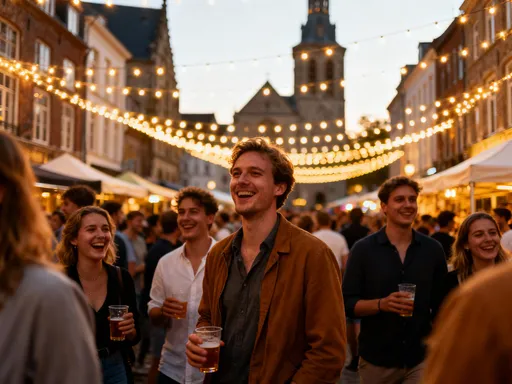
Seasonal festivals also offer a window into authentic traditions. The Debrecen Sausage Festival, held each autumn, brings together small producers, family butchers, and culinary artisans. Here, you can taste kolbász made with centuries-old recipes, grilled over open flames and served with rustic bread and mustard. Unlike commercial food fairs, this event emphasizes craftsmanship over spectacle. It’s a chance to meet the people behind the food, ask questions, and taste the difference that care and heritage make.
Street Food and Quick Bites: What’s Worth It (and What to Skip)
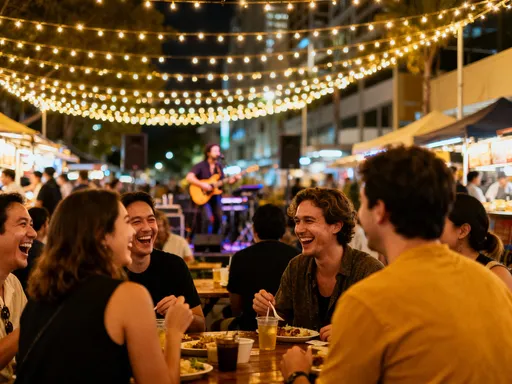
Street food in Debrecen offers both delight and disappointment. The city’s outdoor stalls serve classics like lángos, kürtőskalács (chimney cake), and stuffed cabbage wraps, but quality varies dramatically. The key is knowing what to seek—and what to avoid.
Lángos, a deep-fried flatbread typically topped with sour cream, cheese, and garlic, is a popular choice. But many tourist-focused vendors serve versions that are overly greasy, thick, and loaded with cheap toppings. The result is a heavy, unbalanced snack that leaves you sluggish rather than satisfied. The best lángos are made fresh to order, with a light, airy dough that puffs up in hot oil. They should be crisp on the outside, tender within, and topped sparingly to let the bread shine. Look for stalls where the oil is clean, the dough is rolled by hand, and locals are in line.
Kürtőskalács, on the other hand, is often worth the indulgence—especially when made traditionally. The authentic version is baked over an open flame, the dough wrapped around a cylindrical spit and coated with sugar that caramelizes into a crisp shell. Fillings like ground walnuts, cinnamon, or cottage cheese should be added sparingly, not stuffed to excess. Avoid stalls that use pre-made dough or electric ovens—these produce a softer, less flavorful result. The best kürtőskalács has a smoky aroma and a satisfying crunch with each bite.
Stuffed cabbage wraps, sometimes sold as quick street food, are a mixed bag. When made fresh, they can be tender and flavorful, filled with seasoned meat and rice, then simmered in a tangy sauce. But many vendors use pre-cooked, frozen versions that are reheated and served lukewarm. The cabbage becomes rubbery, the filling dry. If you’re craving this dish, it’s better to seek it in a home-style restaurant or during a festival, where it’s likely made in batches with care.
How to Eat Like a Local: Practical Tips for a Better Culinary Experience
Eating like a local in Debrecen isn’t about following a checklist—it’s about adopting a mindset. It means slowing down, observing, and engaging with the rhythm of daily life. Hungarians eat at specific times: lunch is typically between 12:30 and 1:30 PM, and dinner starts no earlier than 7 PM. Restaurants that open earlier often cater to tourists and may not have fresh batches of stew or baked dishes ready. By aligning your meals with local hours, you increase your chances of tasting food made that day, not the night before.
Language plays a crucial role. Even knowing a few food-related phrases can build trust and open doors. Simple expressions like *“Jó étvágyat!”* (Enjoy your meal!), *“Sajnos allergiás vagyok a dióra.”* (Unfortunately, I’m allergic to walnuts.), or *“Ez házi készítésű?”* (Is this homemade?) show respect and curiosity. Many older Hungarians appreciate the effort, even if your pronunciation is imperfect.
Another tip is to follow the crowds—but the right crowds. If a small restaurant is filled with middle-aged couples, families, or university professors at lunchtime, it’s likely serving solid, home-style food. Tourist-heavy spots tend to have flashy signage, multi-language menus, and staff who approach you on the street. Authentic places rarely need to advertise.
Finally, trust your instincts. If a dish smells rich and aromatic, if the bread looks freshly baked, if the server seems proud of what they’re serving—those are good signs. Don’t be afraid to point, smile, and ask for recommendations. Some of the best meals begin with a simple gesture and a willingness to try something unfamiliar.
Conclusion
Debrecen’s cuisine isn’t broken—it just requires a smarter approach. Avoiding pitfalls isn’t about rejecting tradition, but embracing it more thoughtfully. With the right mindset and a few local insights, your meal here can be more than just food—it can be a real connection to place and people. The best flavors aren’t always the most advertised; sometimes, they’re waiting quietly in a backyard kitchen or a corner market stall. All you need is the courage to wander off script. In a city that values authenticity over spectacle, the most rewarding experiences come not from what you see, but from what you taste—and who shares it with you.