Why Aging Gracefully Starts with These Daily Standards
Aging isn’t just about years—it’s about how we live them. I used to think anti-aging meant creams or quick fixes, until I realized it’s really about consistent health standards. From sleep quality to movement patterns, small choices shape how we feel and age. This is a real talk about building a sustainable system that supports long-term vitality—no hype, just what actually works.
The Myth of Quick Fixes vs. the Power of Systems
For decades, the narrative around aging has been dominated by products promising to turn back time—creams that claim to erase wrinkles, supplements that allegedly boost energy overnight, or detox programs promising a fresh start in just seven days. While these solutions may offer temporary improvements, they rarely address the root causes of how we age. The truth is, lasting vitality doesn’t come from isolated interventions. It emerges from systems—interconnected habits that work together to support the body’s natural ability to renew, repair, and thrive.
Many women in their 30s, 40s, and beyond fall into the trap of chasing one-off solutions. They might try a new diet, commit to a fitness challenge, or invest in a high-end skincare line, only to abandon it weeks later when results don’t match expectations. This pattern isn’t a failure of willpower—it’s a failure of design. Habits that aren’t embedded into a larger, sustainable system tend to collapse under the weight of daily life. Real change doesn’t come from what you do once, but from what you do consistently over time.
A system-based approach shifts the focus from outcome-driven efforts to process-oriented living. Instead of asking, “How can I look younger tomorrow?” the question becomes, “What can I do today that supports my long-term well-being?” This mindset encourages choices that compound—like choosing water over soda, taking a short walk after dinner, or prioritizing sleep even when the to-do list is long. Each action may seem small, but together, they create a foundation of resilience.
Consider two women facing similar energy slumps in the afternoon. One reaches for caffeine and sugar, seeking an immediate lift. The other evaluates her sleep, hydration, and lunch composition, adjusting her routine to prevent the crash altogether. The first reacts; the second responds. Over time, the woman who builds a system—aligning sleep, nutrition, and stress management—experiences steadier energy, clearer thinking, and a stronger sense of control. This isn’t magic; it’s mechanics. And it’s available to anyone willing to shift from quick fixes to lasting standards.
What Does “Health Standard” Really Mean?
The term “health standard” might sound clinical or rigid, but in practice, it’s deeply personal and flexible. It refers to the baseline level of care and attention you give your body and mind on a daily basis. Unlike strict rules or diets, a health standard isn’t about perfection—it’s about consistency. It’s the quiet commitment to show up for yourself in ways that support long-term well-being, even when no one is watching.
Imagine two women tracking their energy levels over a week. One fluctuates wildly—tired in the morning, wired by midday, drained by evening. The other maintains a steadier rhythm, with sustained energy and mental clarity throughout the day. The difference isn’t genetics or luck. It’s likely that the second woman has established clear health standards: she sleeps consistently, eats balanced meals, and manages stress proactively. Her body isn’t fighting constant imbalances, so it can operate efficiently.
Health standards are measured not by dramatic transformations, but by subtle, everyday markers. Do you wake up feeling rested? Can you climb stairs without getting winded? Do you handle stress without feeling overwhelmed? These are real indicators of internal health—more reliable than the number on a scale or the fit of a dress. When these markers improve, it’s a sign that your body is functioning well at a cellular level.
Building a health standard means identifying what matters most to you and designing routines that support it. For some, it’s being able to play with grandchildren without back pain. For others, it’s staying sharp at work or maintaining a calm mood through busy seasons. The goal isn’t to meet someone else’s ideal—it’s to create a version of health that serves your life. And because these standards are personal, they’re more sustainable than generic advice. They become less about discipline and more about self-respect.
The Foundation: Sleep, Hydration, and Rhythm
If health were a house, sleep, hydration, and daily rhythm would be the foundation. Without them, even the most impressive habits—like exercise or clean eating—struggle to take root. These three elements support the body’s most basic functions: repair, detoxification, and regulation. When they’re in place, everything else becomes easier. When they’re neglected, the body operates in survival mode, accelerating the aging process.
Sleep is perhaps the most powerful anti-aging tool available. During deep sleep, the body activates cellular repair, clears metabolic waste from the brain, and balances hormones like cortisol and melatonin. Chronic sleep deprivation, on the other hand, increases inflammation, weakens immunity, and disrupts insulin sensitivity—all of which contribute to premature aging. Research shows that adults who consistently get less than seven hours of quality sleep are more likely to experience cognitive decline, weight gain, and skin aging. The good news? Even small improvements in sleep quality can reverse these effects over time.
Hydration plays a quieter but equally vital role. Water is essential for every metabolic process, from digestion to circulation to temperature regulation. It also supports the skin’s elasticity and helps flush toxins through the liver and kidneys. Many women unknowingly live in a state of mild dehydration, which can manifest as fatigue, headaches, or dry skin. A simple way to assess hydration is to monitor urine color—pale yellow indicates adequate intake, while darker shades suggest the need for more fluids. The general guideline is about eight 8-ounce glasses per day, but needs vary based on activity, climate, and body size.
Daily rhythm, or circadian alignment, ties these elements together. The body’s internal clock regulates everything from hormone release to digestion to alertness. When this rhythm is disrupted—by late nights, irregular meals, or excessive screen time—the result is fatigue, mood swings, and metabolic inefficiency. Supporting circadian health means syncing your routine with natural light: getting morning sunlight, reducing blue light in the evening, and maintaining consistent sleep and wake times, even on weekends. These small actions signal safety to the body, allowing it to function optimally.
Movement That Supports Longevity, Not Wear and Tear
Movement is often framed as a tool for weight loss or appearance, but its true value lies in preserving function and independence as we age. The goal isn’t to achieve a certain look—it’s to maintain strength, balance, and mobility so you can continue doing the things you love. The best movement practices for longevity aren’t punishing or time-consuming. They’re consistent, joint-friendly, and enjoyable.
Walking is one of the most underrated forms of exercise. It’s low-impact, accessible, and effective. Regular walking improves cardiovascular health, strengthens bones, and enhances mood by increasing endorphins. Just 30 minutes a day can reduce the risk of chronic diseases like type 2 diabetes and heart disease. For women managing busy households or careers, walking can be woven into daily life—parking farther away, taking calls on the move, or enjoying a post-dinner stroll with family.
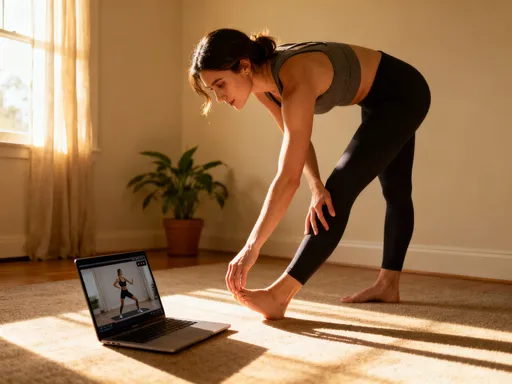
Stretching and flexibility work are equally important. As we age, muscles and connective tissues naturally lose elasticity, leading to stiffness and reduced range of motion. Daily stretching—even for just 10 minutes—can counteract this. Focus on major muscle groups: hamstrings, hips, shoulders, and spine. Gentle practices like yoga or tai chi not only improve flexibility but also enhance balance and body awareness, reducing the risk of falls.
Functional strength training helps preserve muscle mass, which naturally declines after age 30. This loss, known as sarcopenia, can lead to weakness, slower metabolism, and increased frailty. Strength training doesn’t require a gym or heavy weights. Bodyweight exercises like squats, lunges, and wall push-ups can be done at home. The key is consistency and proper form. Aim for two to three sessions per week, allowing time for recovery. Over time, this builds not just strength, but confidence in your body’s capabilities.
The most sustainable movement is the kind you look forward to. If you dread the gym, try dancing, swimming, or gardening instead. The goal isn’t to push yourself to exhaustion, but to move in ways that feel good and support long-term vitality. When movement becomes self-care rather than punishment, it stops being a chore and starts being a gift.
Nutrition: Eating for Cellular Renewal
Food is more than fuel—it’s information. Every bite sends signals to your cells, influencing how they repair, regenerate, and protect themselves. As we age, the quality of these signals becomes increasingly important. Poor dietary choices can accelerate inflammation and oxidative stress, two key drivers of aging. On the other hand, a diet rich in whole, nutrient-dense foods supports cellular renewal, hormone balance, and cognitive health.
The focus should be on patterns, not perfection. No single food will reverse aging, but consistent eating habits can create a powerful cumulative effect. Start with the basics: fill your plate with vegetables, fruits, lean proteins, healthy fats, and whole grains. These foods provide essential vitamins, minerals, antioxidants, and fiber—nutrients that protect cells and support detoxification. For example, leafy greens are rich in folate and vitamin K, berries contain antioxidants that combat free radicals, and fatty fish provide omega-3 fatty acids that reduce inflammation.
Minimizing processed foods is just as important. Ultra-processed items—like packaged snacks, sugary drinks, and refined carbohydrates—trigger blood sugar spikes, promote fat storage, and increase systemic inflammation. Over time, this creates a hostile internal environment that accelerates aging. Instead of banning these foods completely, aim for awareness and reduction. Read labels, cook more meals at home, and choose whole ingredients whenever possible.
Mindful eating enhances the benefits of good nutrition. Eating slowly, chewing thoroughly, and paying attention to hunger and fullness cues helps prevent overeating and improves digestion. It also turns meals into moments of presence, reducing stress and enhancing satisfaction. Try turning off screens during meals, savoring flavors, and pausing halfway through to check in with your body. These small shifts can transform your relationship with food.
Hydration, as mentioned earlier, is part of nutrition too. Herbal teas, broths, and water-rich foods like cucumbers and melons contribute to fluid intake while providing additional nutrients. Avoid relying on sugary drinks or excessive caffeine, which can dehydrate and disrupt sleep. The goal is to nourish your body with choices that support long-term health, not just immediate pleasure.
Stress Resilience as an Anti-Aging Tool
Chronic stress is one of the most insidious accelerators of aging. Unlike acute stress, which is temporary and sometimes even beneficial, chronic stress keeps the body in a constant state of alert. This leads to elevated cortisol levels, which over time can break down muscle, increase belly fat, weaken immunity, and impair memory. It also damages the skin by reducing collagen production and increasing inflammation, leading to wrinkles and dullness.
The good news is that stress resilience can be built. It’s not about eliminating stress—life will always have challenges—but about changing how your body responds to it. Small, daily practices can shift your nervous system from “fight-or-flight” to “rest-and-digest,” creating a calmer internal environment. One of the most effective tools is breathwork. Deep, slow breathing activates the vagus nerve, which helps regulate heart rate and lower cortisol. Just five minutes of diaphragmatic breathing in the morning or before bed can make a noticeable difference in mood and energy.
Downtime is another essential component. Many women feel guilty for resting, as if productivity is the only measure of worth. But rest is not laziness—it’s biological necessity. The body needs time to repair, integrate experiences, and rebalance. This doesn’t require hours of meditation or long vacations. It can be as simple as sitting quietly with a cup of tea, listening to calming music, or spending time in nature. These moments signal safety to the brain, reducing stress hormones and promoting healing.
Boundary-setting is a powerful yet often overlooked form of self-care. Saying no to excessive demands, protecting your time, and prioritizing your needs aren’t selfish—they’re essential for long-term well-being. When you respect your limits, you conserve energy for what truly matters. This might mean leaving a meeting early to pick up a child, turning down social invitations when tired, or delegating tasks at home. Over time, these choices build a life that feels more balanced and sustainable.
Putting It All Together: Your Personal Anti-Aging System
The final step in aging gracefully is integration. Each of the habits discussed—sleep, hydration, movement, nutrition, and stress management—works best when they support one another. The goal is not to master one area perfectly, but to create a flexible, personalized system that adapts to your life. This means starting where you are, not where you think you should be.
Begin by auditing your current habits. Keep a simple journal for a week, noting your sleep patterns, food choices, movement, and stress levels. Look for patterns: when do you feel most energized? When do you struggle? Use this data to identify one or two areas for improvement. Maybe it’s adding a 10-minute walk after lunch or setting a bedtime alarm to improve sleep consistency. Small, specific changes are more likely to stick than sweeping overhauls.
Set realistic standards based on your lifestyle. If you’re a busy parent, aiming for 30 minutes of exercise five times a week might not be feasible. Instead, focus on three shorter sessions or find ways to be active with your children. The key is sustainability. A standard is only effective if you can maintain it over time, even during stressful seasons.
Listen to your body’s feedback. Energy levels, mood, digestion, and sleep quality are all signals. If you’re feeling sluggish, ask: Am I hydrated? Did I sleep well? Did I eat enough protein? These questions help you adjust your system in real time, rather than waiting for problems to escalate. Over time, you’ll develop a deeper awareness of what your body needs.
Remember, this isn’t about chasing youth. It’s about building a life that feels vibrant, capable, and resilient. True anti-aging isn’t found in a bottle or a trend. It’s built daily, through quiet consistency. When health standards become second nature, vitality follows. This isn’t about perfection, but progress—small choices, well made, adding up to a life that feels as good as it looks.
True anti-aging isn’t found in a bottle or trend—it’s built daily through quiet consistency. When health standards become second nature, vitality follows. This isn’t about perfection, but progress—small choices, well made, adding up to a life that feels as good as it looks.