How Hobbies Keep Me Emotionally Steady — A Real-Life Balance Boost
Ever feel like your mind’s constantly racing, even when you’re not doing anything? I did. Until I rediscovered hobbies—not as pastimes, but as mental anchors. From painting to gardening, these small joys became my quiet rebellion against stress. Science backs it: engaging in regular, enjoyable activities helps regulate emotions. This is how I rebuilt psychological balance, one hobby at a time.
The Hidden Crisis of Emotional Imbalance
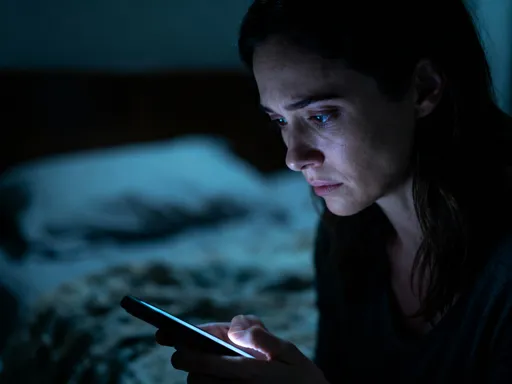
In today’s fast-paced world, emotional imbalance is more common than many realize. It often creeps in quietly—through sleepless nights, sudden irritability, or a persistent sense of being overwhelmed. For many women in their 30s to 55s, this imbalance is not just a fleeting mood but a chronic condition shaped by responsibilities at home, work, and within extended families. The constant juggling act—managing children’s schedules, caring for aging parents, meeting professional deadlines—can leave little room for personal well-being. Over time, this unrelenting pressure erodes emotional resilience, leading to burnout, difficulty concentrating, and even emotional numbness.
What many fail to recognize is that emotional imbalance is not merely a psychological issue—it has physiological roots. Chronic stress activates the sympathetic nervous system, triggering the body’s “fight or flight” response. When this state becomes prolonged, cortisol levels remain elevated, disrupting sleep, weakening immunity, and impairing cognitive function. The brain, particularly the prefrontal cortex responsible for decision-making and emotional regulation, becomes less efficient. This biological reality means that simply trying to “think positively” is rarely enough to restore balance.
Yet, in the midst of this struggle, a powerful and often overlooked solution exists: hobbies. These are not frivolous distractions or guilty pleasures. Instead, they function as essential tools for emotional regulation. When chosen intentionally, hobbies offer a structured yet flexible way to step out of the cycle of stress and reconnect with a sense of agency and joy. They provide a mental pause, a space where the mind is not solving problems but simply experiencing. In this way, hobbies serve as accessible, low-cost interventions that support long-term psychological health.
Why Hobbies Work Like Mental Therapy (Without the Couch)
The benefits of hobbies extend far beyond momentary enjoyment. Neuroscience reveals that engaging in repetitive, pleasurable activities stimulates the brain’s reward system, increasing the release of dopamine—a neurotransmitter associated with motivation, pleasure, and focus. Simultaneously, cortisol levels decrease, allowing the nervous system to shift from a state of tension to one of calm. This biological shift is not just temporary; over time, it can rewire the brain’s response to stress, making individuals more emotionally resilient.
One of the most powerful psychological states achieved through hobbies is known as “flow.” First described by psychologist Mihaly Csikszentmihalyi, flow occurs when a person becomes fully immersed in an activity that is challenging yet achievable. In this state, self-consciousness fades, time seems to disappear, and attention is completely absorbed by the task at hand. Whether it’s knitting a scarf, playing a piano piece, or arranging flowers, flow creates a mental buffer against anxiety and rumination. It interrupts the cycle of overthinking by redirecting cognitive energy into focused action.
Research consistently supports the mental health benefits of structured leisure. A 2020 study published in the journal Preventive Medicine found that adults who regularly engaged in creative or physical hobbies reported lower levels of depression and higher emotional well-being. Another study from the University of Otago showed that participants who spent time on enjoyable activities experienced increased positive emotions and improved cognitive flexibility—the ability to adapt thinking in response to changing circumstances. These findings suggest that hobbies are not just pleasant diversions but vital components of a mentally healthy lifestyle.
My Journey: From Overwhelm to Calm Through Simple Acts
For years, my life ran on autopilot. I was constantly connected—checking emails late at night, scrolling through news feeds during meals, and answering work messages on weekends. My days were filled with productivity, but my inner world felt hollow. I struggled with poor sleep, frequent headaches, and a low-grade irritability that made family interactions tense. I knew something had to change, but I didn’t know where to start. Meditation felt too abstract, and therapy seemed out of reach. Then, almost by accident, I picked up a journal and began writing three sentences each evening about what I had noticed during the day.
At first, it felt awkward and forced. I didn’t know what to say, and I often skipped days. But after a few weeks, I noticed a subtle shift. The act of pausing to reflect helped me become more aware of my emotional patterns. Still, journaling alone wasn’t enough to sustain a deeper sense of calm. The real turning point came when I signed up for a local pottery class. I had no prior experience, and the idea of shaping clay on a wheel felt intimidating. But from the first session, something changed. The rhythmic motion of centering the clay, the cool texture under my fingers, the focused attention required—it all pulled me into the present moment in a way nothing else had.
Over time, pottery became a weekly ritual. I stopped worrying about whether my bowls were symmetrical or functional. Instead, I focused on the process—the feel of the clay, the sound of the wheel, the quiet concentration. Alongside this, I began taking early morning walks in a nearby park. These walks were unstructured and slow, often just 20 minutes, but they became sacred. I started noticing birds, seasonal changes in trees, and the way sunlight filtered through leaves. These small, consistent practices didn’t erase life’s challenges, but they gave me a foundation of calm from which to face them. Progress wasn’t linear, and I had setbacks, but the key was consistency, not perfection.
What Counts as a “Mental Health Hobby”? Redefining the Rules
One of the biggest misconceptions about hobbies is that they must involve talent, creativity, or visible output. Many women hesitate to call themselves “artists” or “musicians” unless they produce something impressive. But when it comes to emotional well-being, the value of a hobby lies not in the result but in the experience. A mental health hobby is any activity that allows you to be fully present, that absorbs your attention without draining your energy, and that brings a sense of quiet satisfaction.
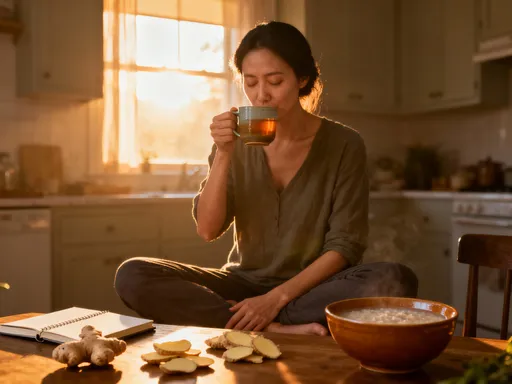
Examples are more varied and accessible than many assume. Sketching, even with simple pencils and paper, can be deeply grounding. The act of observing shapes, lines, and shadows shifts attention away from internal chatter. Cooking, especially when approached mindfully, can be a form of meditation—chopping vegetables with care, smelling herbs, tasting as you go. Birdwatching encourages patience and attunement to the natural world. Playing an instrument, even just a few chords on a ukulele, engages both hands and mind in a rhythmic, soothing way. Even organizing a drawer or arranging books by color can become a therapeutic ritual when done with intention.
The key is to choose activities that feel nourishing, not obligatory. If knitting makes you tense because you’re worried about mistakes, it may not be the right fit. But if arranging flowers or listening to classical music helps you breathe more deeply, that’s a sign of a meaningful hobby. The goal is not to add another item to your to-do list but to create pockets of time where you are not striving, achieving, or performing. In these moments, the nervous system gets a chance to reset, and emotional balance begins to return.
Building Your Own Emotional Safety Net: A Step-by-Step Approach
Starting a hobby with the intention of improving emotional health doesn’t require a dramatic overhaul. The first step is self-awareness: pay attention to your energy patterns throughout the day. When do you feel most tense? Is it in the early evening after work, or during weekend mornings when the house is noisy? When do you feel flat or disconnected? Identifying these patterns helps you match the right activity to your state of mind.
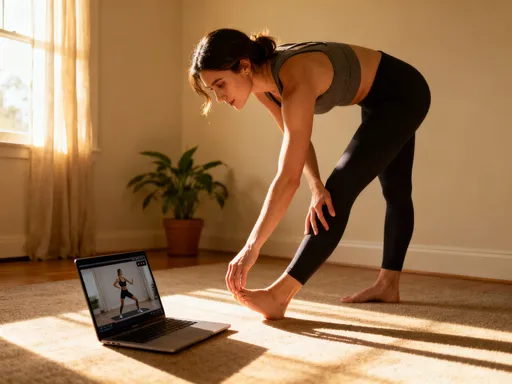
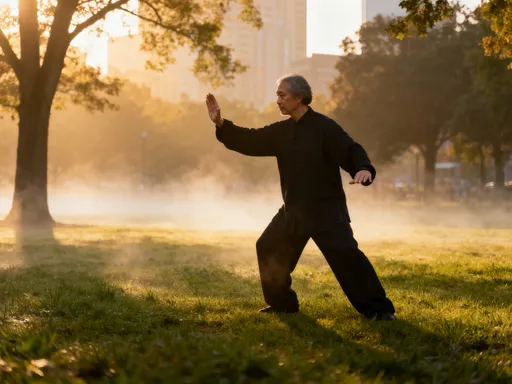
For moments of high stress or emotional exhaustion, gentle, repetitive activities work best. Knitting, coloring, or folding laundry mindfully can provide a soothing rhythm. For times when energy is low but you want to re-engage, light stretching, listening to uplifting music, or watering houseplants can gently lift your mood. If you’re carrying pent-up frustration or restlessness, more active hobbies like dancing, gardening, or drumming may be more effective in releasing tension.
A practical approach is to start small—just 10 to 15 minutes a day. Set a timer if needed, and commit to showing up without expectations. After each session, take a moment to notice how you feel. Are your shoulders more relaxed? Is your breathing slower? Keeping a simple mood log—rating your emotional state before and after—can help you see patterns over time. You may not notice changes immediately, but with consistency, the cumulative effect becomes clear. The goal is not to master a skill but to build an emotional safety net that you can return to daily.
Breaking the Guilt: Why Self-Care Isn’t Selfish
One of the most common barriers to adopting hobbies is guilt. Many women feel they should be using their time more productively—folding laundry, answering emails, or helping others. The idea of “doing nothing” or “just playing” can feel indulgent, even irresponsible. But this mindset overlooks a crucial truth: self-care is not selfish; it is sustainable. When you invest in your emotional well-being, you become more patient, present, and capable in all areas of life.
Research supports this perspective. A study by the American Psychological Association found that employees who engaged in regular leisure activities reported higher job satisfaction, better focus, and improved interpersonal relationships at work. Another study from the University of Cambridge revealed that adults who participated in creative hobbies were more adaptable during periods of change and less likely to experience emotional burnout. These findings challenge the notion that hobbies are distractions. Instead, they are performance enhancers—tools that improve resilience, creativity, and emotional intelligence.
Reframing hobbies as essential, not optional, requires a shift in mindset. Think of them as mental maintenance, like brushing your teeth or eating nutritious meals. Just as you wouldn’t skip brushing your teeth because you’re too busy, you shouldn’t consistently neglect activities that support your emotional health. Making time for joy is not a luxury—it’s a necessity for long-term well-being. When you model this behavior, you also teach those around you, especially children, that taking care of oneself is a sign of strength, not weakness.
Sustaining the Habit: Making Hobbies Stick in Real Life
Like any new habit, maintaining a hobby requires intention and practical strategies. One effective method is habit stacking—pairing a new behavior with an existing routine. For example, listen to your favorite playlist while cooking dinner, or spend five minutes sketching with your morning coffee. These small integrations make hobbies feel natural rather than burdensome. Another approach is to schedule “joy breaks” just as you would any important appointment. Even 10 minutes on a Tuesday evening can become a cherished ritual if protected and prioritized.
It’s also important to avoid overplanning or turning hobbies into goals. The moment you start tracking progress, setting deadlines, or comparing your work to others, the activity can lose its therapeutic quality. The aim is not to complete a masterpiece or post photos online, but to experience the process. If you find yourself feeling pressured, step back and reconnect with the original intention: to feel calm, present, and engaged.
Experimentation is key. Not every hobby will resonate, and that’s okay. Try different activities without judgment. You might discover that baking bread brings more comfort than painting, or that walking in nature soothes you more than reading. Emotional balance is not a fixed destination but an ongoing process. Each time you choose to engage in a hobby, you reinforce a commitment to yourself. Over time, these small acts accumulate into a deeper sense of stability and peace.
Hobbies are more than hobbies—they’re quiet acts of self-preservation. In a world that glorifies hustle, choosing to paint, play, or simply be becomes revolutionary. Psychological balance isn’t found in perfection, but in small, repeated moments of joy. Start where you are. Let your hands lead your healing.