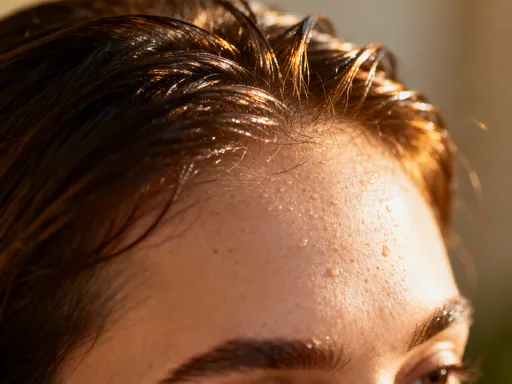
What Your Hair Really Needs: A Proven Path to Healthier Strands
Hair isn’t just about looks—it’s a reflection of your overall health. Many people battle dryness, breakage, or thinning without understanding the root causes. As someone who’s spent years studying trichology and guiding clients through hair transformations, I’ve seen how small, science-backed changes make big differences. This article breaks down what truly supports strong, resilient hair—from inside-out nutrition to smart daily habits—all grounded in dermatological research and real-world results. While glossy magazines often promote miracle shampoos or celebrity routines, the truth is far more personal and physiological. Healthy hair grows from a foundation of balanced biology, mindful habits, and consistent care. By addressing both internal and external factors, you can nurture strands that are not only beautiful but also strong, elastic, and resistant to damage. The journey begins with understanding what your hair really needs.
The Truth Behind Common Hair Problems
Millions of women experience hair that feels thinner, breaks easily, or lacks shine, often assuming these issues are simply part of aging or genetics. While heredity does play a role, especially in patterns of gradual thinning, many common hair concerns stem from underlying physiological imbalances rather than surface-level damage alone. Excessive shedding, for instance, may not be permanent hair loss but rather a temporary condition known as telogen effluvium, which occurs when a significant number of hair follicles enter the resting phase prematurely. This shift can be triggered by events such as major stress, rapid weight loss, hormonal fluctuations after childbirth, or even a high fever from an illness like the flu. These stressors disrupt the normal hair growth cycle, leading to noticeable shedding two to three months later.
Dullness and lack of volume are also frequently misunderstood. Hair that appears lifeless may actually be suffering from cuticle damage, which reduces light reflection and creates a rough texture. However, internal factors such as low iron levels or thyroid dysfunction can equally contribute to this lackluster appearance. The hair shaft depends on a steady supply of oxygen and nutrients delivered through blood circulation to the scalp. When systemic health is compromised—whether by nutrient deficiencies, chronic inflammation, or hormonal shifts—the hair reflects that imbalance. For example, hypothyroidism often leads to dry, brittle hair and increased shedding, while polycystic ovary syndrome (PCOS) can cause androgen-related thinning along the part line.
Aging further complicates hair health, as follicular activity naturally slows over time. After menopause, many women observe changes in hair texture, density, and growth rate due to declining estrogen levels. Estrogen helps prolong the anagen (growth) phase of the hair cycle, so its reduction means hairs spend less time growing and more time resting. At the same time, the diameter of individual strands may decrease, contributing to perceived thinning. These changes are normal, but they don’t have to be accepted without intervention. Understanding the biological roots of hair concerns empowers individuals to seek solutions that go beyond cosmetic fixes and instead support long-term follicular vitality.
Why Scalp Health Is Non-Negotiable
The scalp is not merely a base for hair—it is living skin, rich in sebaceous glands, blood vessels, and nerve endings. Just as facial skin requires care to remain clear and balanced, the scalp must be maintained to support optimal hair growth. A healthy scalp provides the foundation for strong follicles, ensuring proper nutrient delivery, waste removal, and protection against irritation. When the scalp becomes congested with excess oil, dead skin cells, or product buildup, it creates an environment where follicles can become inflamed or blocked. This condition, sometimes referred to as scalp folliculitis, can lead to itching, flaking, and even temporary hair loss if left unaddressed.
Poor circulation is another critical factor that impacts scalp health. Hair follicles rely on a robust blood supply to receive oxygen and essential nutrients like amino acids and vitamins. Reduced microcirculation—often linked to sedentary lifestyles, chronic stress, or aging—can impair this delivery system, weakening follicular function over time. Additionally, chronic inflammation in the scalp, whether due to allergic reactions, dandruff-causing fungi like Malassezia, or autoimmune conditions, can damage the follicle structure and shorten the hair growth cycle. Inflammatory cytokines have been shown in dermatological studies to interfere with hair matrix cell proliferation, which directly affects how thick and strong new hairs grow.
Maintaining a clean, balanced scalp environment involves more than just regular washing. Overwashing with harsh sulfates can strip natural oils and disrupt the scalp’s pH, leading to rebound oiliness or dryness. Instead, using gentle, pH-balanced cleansers two to three times per week helps remove buildup without irritation. Scalp exfoliation—performed once a week with a soft brush or mild physical scrub—can help slough off dead skin and improve product penetration. Massaging the scalp during cleansing also stimulates blood flow, promoting a more nourishing environment for follicles. For those prone to flaking or itching, medicated shampoos containing ingredients like pyrithione zinc or salicylic acid may be beneficial, but should be used under guidance to avoid overuse. Ultimately, treating the scalp as an extension of skin care is essential for anyone seeking lasting improvements in hair quality.
Nutrition: The Invisible Foundation of Strong Hair
No topical treatment can compensate for poor nutrition when it comes to hair health. The hair shaft is primarily made of keratin, a structural protein composed of amino acids. Without adequate dietary protein, the body prioritizes vital organs over hair production, potentially leading to weakened strands and increased shedding. Many women, especially those reducing animal products or following restrictive diets, may unknowingly consume insufficient protein. Including high-quality protein sources such as eggs, lean poultry, legumes, and Greek yogurt supports the continuous synthesis of keratin necessary for strong, resilient hair.
Several micronutrients are also critically linked to hair growth and integrity. Iron deficiency, particularly in premenopausal women, is one of the most common nutritional causes of hair loss. Iron stores, measured by serum ferritin, should ideally be above 50 ng/mL to support healthy hair cycling. Low levels impair the energy metabolism of hair follicle cells, disrupting their ability to divide and grow. Similarly, zinc plays a role in DNA and protein synthesis within the follicle. Deficiencies can lead to telogen effluvium and may exacerbate scalp conditions like seborrheic dermatitis.
Biotin, often marketed as a hair growth supplement, does support keratin infrastructure, but true deficiency is rare and usually genetic. Most people obtain enough biotin through a balanced diet that includes eggs, nuts, and whole grains. More impactful are consistent intakes of vitamins A, C, D, and E. Vitamin A regulates sebum production, but excess intake—especially from supplements—can be toxic and lead to hair loss. Vitamin C aids collagen formation and enhances iron absorption, making it especially important for plant-based eaters. Vitamin D receptors are present in hair follicles, and research has associated low vitamin D levels with alopecia areata and other forms of hair loss. Meanwhile, vitamin E’s antioxidant properties help protect follicles from oxidative stress.
Rather than relying on supplements, the most sustainable approach is to adopt a nutrient-dense eating pattern. The Mediterranean diet, rich in leafy greens, fatty fish, olive oil, nuts, and colorful vegetables, aligns closely with what hair needs. Omega-3 fatty acids from salmon or flaxseeds reduce inflammation and support scalp hydration. Antioxidants from berries and dark leafy greens combat free radical damage that can impair follicular function. By focusing on whole, minimally processed foods, women can create an internal environment where hair thrives—not because of a single miracle nutrient, but because of cumulative, balanced nourishment.
How Daily Habits Secretly Damage Your Strands
Even with excellent nutrition and scalp care, daily routines can unknowingly undermine hair health. One of the most common culprits is over-washing. While cleanliness is important, washing hair too frequently—especially with strong detergents—strips away natural sebum, the scalp’s protective oil. This can trigger the scalp to produce even more oil in compensation, creating a cycle of greasiness and dryness. Moreover, frequent shampooing disrupts the hair’s natural pH, weakening the cuticle layer and increasing porosity, which leads to frizz, tangles, and breakage.
Heat styling tools like flat irons, curling wands, and blow dryers expose hair to temperatures exceeding 300°F, far above the threshold at which keratin begins to degrade. Repeated thermal stress causes protein loss, moisture depletion, and irreversible structural damage. The cuticle scales lift and crack, leaving the cortex vulnerable to environmental damage. Over time, this results in brittle ends, split strands, and a lack of elasticity. Even “low-heat” settings can accumulate damage if used daily. Similarly, chemical treatments such as bleaching, perming, or relaxing alter the hair’s internal bonds, reducing tensile strength and increasing fragility.
Tight hairstyles, though often considered elegant or practical, place constant tension on hair follicles. Styles like tight ponytails, braids, or buns worn regularly can lead to traction alopecia—a form of gradual hair loss caused by mechanical stress. This condition typically begins at the hairline or temples and may become permanent if the strain continues. Hair accessories with sharp edges or metal components can also snag and break strands. Even towel-drying habits matter: rubbing wet hair vigorously with a rough cotton towel creates friction that lifts the cuticle and causes micro-tears. Instead, gently squeezing out excess water and using a microfiber towel or an old cotton T-shirt reduces damage.
Protecting hair from daily stressors involves simple but consistent adjustments. Air-drying when possible, using heat protectant sprays before styling, and limiting heat tool use to once a week can preserve hair integrity. Choosing loose, low-tension hairstyles and rotating hair accessories helps prevent traction. Additionally, silk or satin pillowcases reduce friction during sleep, minimizing breakage and maintaining smoothness. These small shifts, when practiced regularly, significantly extend the lifespan of each strand and support overall hair resilience.
The Role of Hydration and Moisture Balance
Hydration is often misunderstood in the context of hair care. Unlike skin, hair cannot generate moisture—it relies entirely on external conditioning and internal health to retain water. Hydrated hair is flexible, less prone to breakage, and reflects light better, giving it a healthy sheen. Oily hair, on the other hand, refers to excess sebum production on the scalp, which is unrelated to internal hydration. A common misconception is that oily roots mean hair doesn’t need moisture, but the opposite is often true: dry, porous strands coexist with an oily scalp, especially in textured or chemically treated hair.
Maintaining moisture balance begins with understanding hair porosity—the ability of the cuticle to absorb and retain water. High-porosity hair, often resulting from chemical processing or heat damage, absorbs moisture quickly but loses it just as fast. Low-porosity hair resists moisture absorption, leading to product buildup on the surface. Medium-porosity hair maintains balance most easily. Knowing your hair’s porosity helps determine the right products and techniques. For high-porosity hair, sealing in moisture with heavier oils like shea butter or coconut oil helps prevent evaporation. For low-porosity hair, lighter leave-in conditioners and warm application methods can improve penetration.
Natural methods to enhance hydration include deep conditioning treatments with ingredients like avocado, honey, or aloe vera, which deliver humectants that attract water to the hair shaft. Pre-shampoo oil treatments, particularly with coconut oil, have been studied for their ability to reduce protein loss during washing. Rinsing with cool water after conditioning helps close the cuticle, locking in moisture and increasing shine. Humid environments naturally support hydration, while dry, heated indoor air in winter can deplete moisture, making seasonal adjustments necessary.
Internal hydration also plays a supportive role. While drinking water doesn’t directly “hydrate” hair—since hair is dead tissue—adequate fluid intake supports overall circulation and scalp health. Dehydration can lead to dry skin, including on the scalp, which may contribute to flakiness and irritation. Therefore, maintaining daily water intake, alongside external moisturizing practices, creates a holistic approach to preventing brittleness and split ends. The goal is not to saturate hair, but to achieve a state of balanced moisture that enhances strength and manageability.
When to Seek Professional Guidance
While many hair concerns can be improved with lifestyle and routine changes, certain signs indicate the need for professional evaluation. Sudden or patchy hair loss, for example, may signal an autoimmune condition such as alopecia areata, where the immune system mistakenly attacks hair follicles. This type of loss typically appears as smooth, round bald patches and requires medical diagnosis and treatment. Similarly, scarring alopecias—rare but serious conditions where inflammation destroys follicles—can cause permanent hair loss if not addressed early.
Other red flags include persistent scalp itching, redness, scaling, or painful lesions. These symptoms may point to psoriasis, seborrheic dermatitis, or fungal infections, all of which require targeted therapies. Unexplained shedding exceeding 100–150 strands per day over several weeks warrants investigation, especially if accompanied by fatigue, weight changes, or menstrual irregularities—clues that point to thyroid disease, anemia, or hormonal imbalances. Blood tests to check ferritin, thyroid-stimulating hormone (TSH), vitamin D, and other markers are essential tools in identifying underlying causes.
Dermatologists and trichologists—specialists in hair and scalp disorders—use a combination of clinical examination, dermoscopy, and laboratory testing to diagnose the root of hair issues. They may perform a hair pull test to assess shedding levels or take a scalp biopsy in complex cases. Treatments vary widely depending on diagnosis and may include prescription topicals like minoxidil, anti-inflammatory agents, hormone-regulating medications, or lifestyle interventions. Early consultation increases the likelihood of successful intervention, especially when follicles are still viable. Seeking help is not an admission of failure, but a proactive step toward restoring health from the foundation up.
Building a Sustainable Hair Care Routine
Creating a lasting hair care routine is less about following trends and more about consistency, personalization, and patience. A sustainable regimen should be simple enough to maintain daily or weekly, yet comprehensive enough to address cleansing, conditioning, protection, and restoration. It begins with selecting products suited to your scalp and hair type—whether oily, dry, sensitive, or color-treated. Reading ingredient labels helps avoid silicones that build up over time or alcohols that dry out strands. Instead, look for sulfate-free cleansers, moisturizing conditioners with natural oils, and leave-in treatments that provide heat or UV protection.
A basic framework includes washing every two to four days, depending on sebum production, followed by conditioning primarily on the mid-lengths and ends to avoid weighing down roots. Weekly deep conditioning or hair masks replenish moisture and strengthen the cuticle. Monthly trims prevent split ends from traveling up the shaft, preserving length and integrity. Protective styling, such as loose braids or buns, minimizes daily manipulation and reduces breakage, especially for longer or textured hair.
Equally important is tracking progress over time. Hair grows slowly—about half an inch per month—so changes take months to become visible. Taking monthly photos, noting shedding levels, and observing texture shifts help maintain motivation and identify what’s working. Journaling dietary habits, stress levels, and product use can also reveal patterns linked to hair health. Realistic expectations are crucial: no routine will produce overnight transformation, but steady, informed choices lead to cumulative improvement.
Ultimately, hair care is an act of self-care. It reflects a commitment to listening to your body, honoring its signals, and responding with kindness and knowledge. By integrating science-backed nutrition, gentle handling, scalp maintenance, and professional insight when needed, women can build a relationship with their hair that is not based on perfection, but on health, resilience, and long-term well-being.
In conclusion, achieving healthier hair is not about chasing the latest product or trend, but about understanding the interconnected web of biology, nutrition, and daily habits. Hair thrives when supported from within and protected from external stressors. The path to stronger, more vibrant strands lies in consistent, informed choices—eating nutrient-rich foods, maintaining scalp health, minimizing damage, and seeking help when needed. These practices do more than improve appearance; they honor the body’s natural processes and promote overall vitality. With patience and dedication, every woman can nurture hair that is not only beautiful but truly healthy.